When looking for an offshore development partner in Vietnam, Japanese businesses may receive several quotes for the same project outline. Before comparing totals or person-month rates, examine the work and conditions behind those figures. This article proposes five checks for SIers, CTOs and PMs who want to evaluate proposals on a common basis.
1. Compare deliverables, not just feature lists
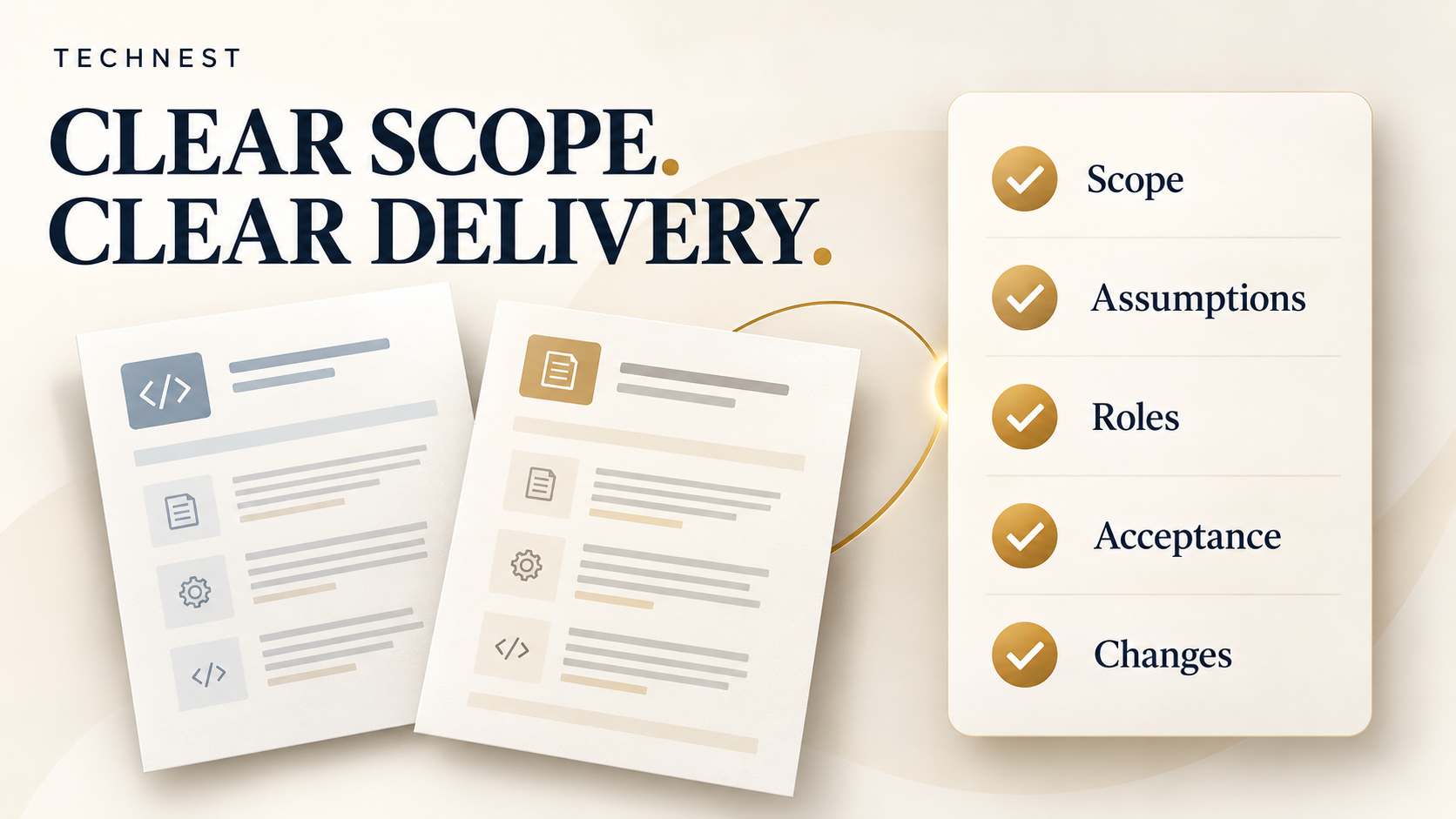
For a feature such as request approval, clarify which design work, implementation, testing and documentation are included. Define the scope of permissions, rejection, edits after approval and connection errors as well. One approach is to attach a table of deliverables, owners, completion criteria and exclusions to the request for a quote.
2. List assumptions and open questions
Review the inputs needed, including sample data, legacy system documentation, environment access and API information. Assign an owner and an expected response date to each open question. Rather than treating every assumption as an agreed requirement, distinguish confirmed scope, provisionally estimated work and items needing further investigation.
3. Include the client’s work in the comparison
Read the quote alongside the division of responsibilities: who clarifies business needs, answers questions, prepares data and reviews results? If a proposal requires more work from the client, include those internal resources in the comparison. For Japan–Vietnam collaboration, also agree on communication contacts and how decisions will be recorded.
4. Clarify acceptance and handover coverage
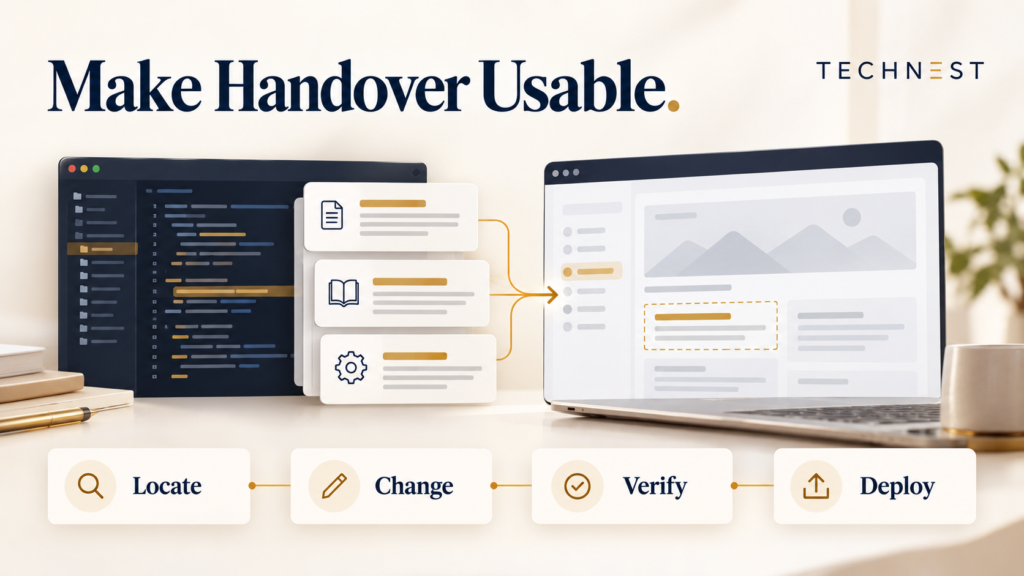
Ask for an explanation of acceptance scenarios, test evidence and issue handling before handover. Check individually whether source code, documentation, environment configuration, deployment instructions and post-release support are included. Make these items comparable rather than inferring their coverage from a phrase such as “full-service development.”
5. Agree on how scope changes will be handled
A proposal should explain how new requests are recorded, how their effort and schedule impact is assessed, and who makes decisions. For a labo model or dedicated team, ask how priorities are revised and results reviewed at each stage. The comparison should consider whether clear information will support decisions when needs change.
Hypothetical example: the same feature name, different scope
Two partners quote for a data import feature. Proposal A includes a screen and save processing; proposal B adds data validation, an error list and operating instructions. The total price alone cannot show which is more suitable. Agree on the required deliverables, then ask both partners to revise their quotes for the same scope.
Clarify the basis of your proposal with TECHNEST
Drawing on experience serving the Japanese market and developing business systems, TECHNEST treats scope, roles and methods for reviewing results as the foundation for discussions before delivery begins. Explore our DELIVERY service or talk to TECHNEST about your current requirements, open questions and intended collaboration model.