


In an era where technology permeates every corner of our lives, the healthcare industry is no exception. The emergence of mHealth (Mobile Health) has been fundamentally transforming how we access healthcare services. From simple step-counting apps to complex chronic disease management systems, mHealth is becoming an extended arm for doctors and an indispensable companion for patients.
What is mHealth?
To fully understand the explosion of this trend, we first need to define mHealth correctly. According to the World Health Organization (WHO), mHealth is a component of eHealth that focuses on providing medical services and information through mobile devices such as smartphones, tablets, and wearables. However, to truly grasp its value, we must view mHealth in correlation with equivalent concepts and examine its practical applications.
Comparing mHealth and Telemedicine
Many people often confuse mHealth with Telemedicine. While they are related, they serve different primary functions as shown in the table below:
| Criteria | Telemedicine | mHealth (Mobile Health) |
|---|---|---|
| Nature | A clinical communication method. | A comprehensive health support ecosystem. |
| Scope | Narrower, focusing on remote medical examination and treatment. | Broader, including education, monitoring, and health management. |
| Primary Tools | Telecommunication technology (Video calls, telephone). | Mobile devices (Smartphones, tablets, wearables). |
| Core Activities | Consultation calls between doctors and patients. | Real-world data collection, medication reminders, biometric tracking. |
| Interactions | Direct, real-time interaction. | Proactive and continuous monitoring in daily life. |
mHealth Examples in Daily Life
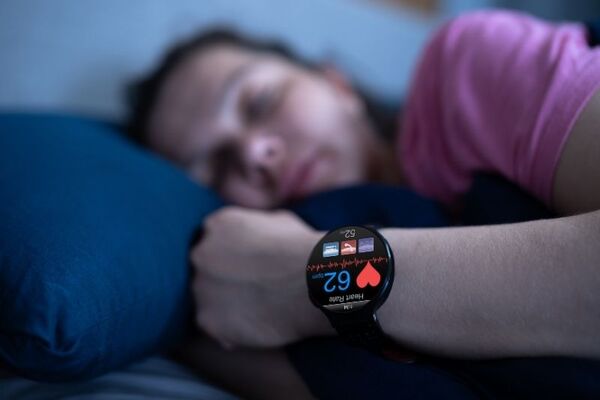
You can easily encounter mHealth right on your smartphone. Whether it is a menstrual cycle tracking app, a smartwatch alerting you to a high heart rate, or an app to schedule an appointment at a local hospital—all of these are mHealth.
Particularly during the COVID-19 pandemic, medical declaration apps and electronic vaccination certificates were the clearest examples of how mHealth helped governments and the healthcare sector manage public health for millions of people effectively and instantaneously.
Benefits of mHealth in Healthcare
The shift from traditional healthcare models to those supported by mobile technology brings immense value to all three parties: patients, healthcare providers, and regulatory bodies. mHealth is not merely about digitizing documents; it is about optimizing the entire healthcare experience—transforming cumbersome processes into lean, precise workflows through the following core benefits.
Patient-Centered Care
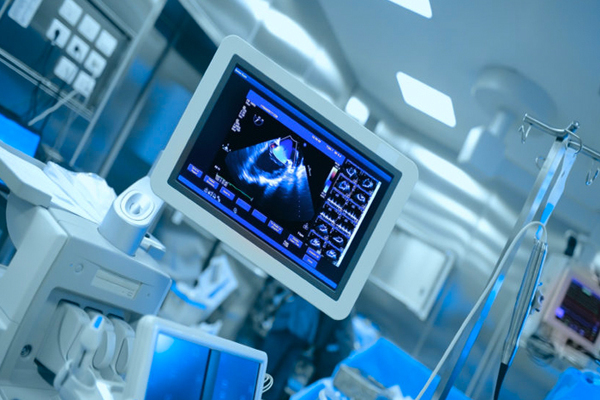
In the past, patients were often passive participants, only receiving information when visiting a hospital. With mHealth, this role has been reversed. Patients now hold their health data in the palm of their hands. They can proactively monitor blood sugar levels, blood pressure, and receive immediate, personalized advice. This fosters a proactive mindset, helping patients manage their health more effectively while feeling continuously connected to the healthcare system.
Time and Cost Savings
Medical expenses are always a significant burden. mHealth helps minimize unnecessary costs by reducing non-essential in-person visits. Instead of taking time off work, traveling long distances, and waiting for hours at a hospital just to review simple test results, patients can do this via an app. For hospitals, mHealth helps reduce the volume of physical foot traffic, thereby optimizing resources and operational costs.
Enhancing Treatment Quality
Accuracy in diagnosis and treatment relies heavily on data. Rather than relying solely on metrics measured at the time of an exam (which can be skewed by “white coat syndrome”), doctors can now review a patient’s health charts over the past 30 days thanks to mHealth data. This continuous monitoring allows for the early detection of abnormalities, prevention of complications, and timely adjustments to treatment plans.
Supporting Healthcare Digital Transformation
mHealth is the “spearhead” of the national healthcare digital transformation strategy. It helps eliminate geographical barriers, bringing high-quality medical services to remote and rural areas. Simultaneously, digitizing data at the source (from user devices) helps build shared Big Data repositories, serving epidemic forecasting and macro-level health policy planning.
Popular mHealth Applications
The diversity of mHealth applications demonstrates the limitless potential of this field. Depending on user needs, mHealth can be categorized into specialized application groups, each playing a specific role in the modern healthcare supply chain to personalize every individual’s health journey.
Personal Health Tracking Apps
This is the most common category, including apps that track physical activity, calorie consumption, sleep quality, and stress levels. Applications like Apple Health, Google Fit, and Strava are not just tools for athletes but serve as electronic health diaries, helping users gain a comprehensive overview of their lifestyle to make healthier adjustments.
Health-Integrated Wearable Devices
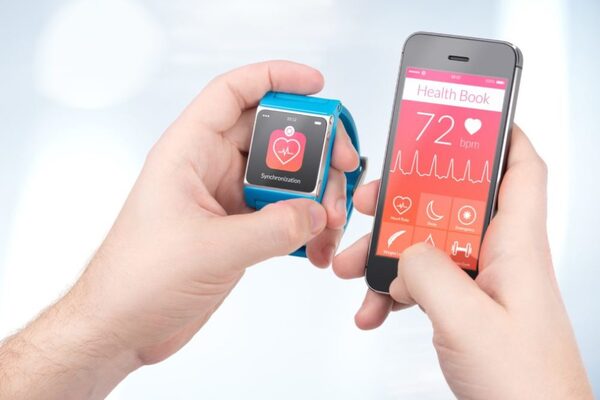
Devices such as the Apple Watch, Samsung Galaxy Watch, and Fitbit have evolved far beyond mere timekeeping. They integrate specialized medical sensors to measure Electrocardiograms (ECG), blood oxygen saturation (SpO2), and fall detection. This data is synchronized directly with mHealth apps, acting as a 24/7 health “monitoring station” on the user’s wrist.
Medication Reminders & Chronic Disease Management Apps
For patients with diabetes, hypertension, or cardiovascular disease, adherence to treatment protocols is vital. Specialized mHealth apps provide medication reminders, track insulin dosages, or alert users when vital signs cross safety thresholds. This is particularly beneficial for the elderly or busy individuals who may easily forget their treatment schedules.
Remote Consultation and Telehealth Apps
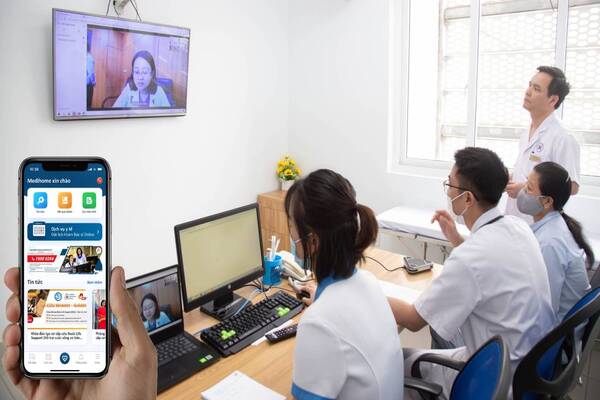
Platforms like Medigo and Doctor Anywhere, or proprietary hospital apps, allow users to book video consultations with specialists. Patients can receive advice, electronic prescriptions, and even request home medicine delivery with just a few taps, effectively addressing the overcrowding issues at frontline hospitals.
Appointment Scheduling & Electronic Health Records (EHR)
The ordeal of waiting for a queue number is a constant pain point. mHealth solves this by allowing patients to select appointment times, choose doctors, and pay hospital fees online. More importantly, Electronic Health Records (EHR) integrated into these apps help patients store lifelong lab results, X-rays, and immunization history, ensuring seamless continuity when transferring hospitals or returning for follow-ups.
mHealth in Clinic and Hospital Management
Beyond individual users, mHealth serves as a powerful administrative tool for healthcare managers. Implementing mHealth into operational workflows helps hospitals transition from paper-based management to data-driven management, enhancing staff productivity and optimizing the patient experience.
Flexible Patient Data Management
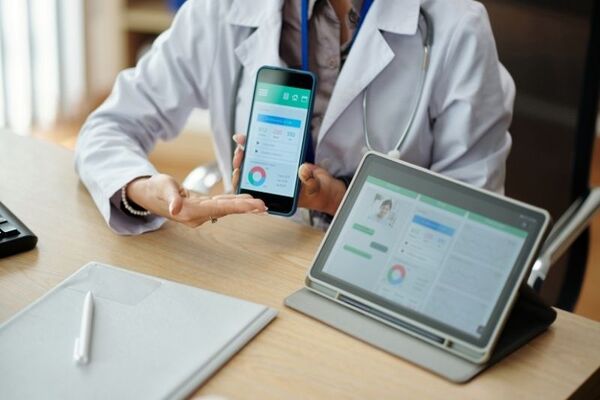
With mHealth, doctors no longer need to carry stacks of paper medical records during ward rounds. With just a tablet, all information regarding medical history, drug allergies, and the latest test results is clearly displayed. This flexibility enables doctors to make faster, more accurate decisions right at the patient’s bedside.
Optimizing Admission and Follow-up Processes
mHealth systems allow hospitals to automate patient triaging. Through push notifications, apps can remind patients of follow-up appointments and provide instructions for pre-test preparations (such as fasting). This minimizes chaos in reception areas and elevates the professionalism of the medical facility.
Supporting Remote Care and Hybrid Models
The current trend is the “Hybrid” care model—a combination of in-person examinations and mHealth monitoring. Following surgery or inpatient treatment, patients can be discharged earlier while remaining under strict physician supervision via mobile apps. This model saves hospital beds while ensuring patient safety during the recovery phase.
Data Analytics for Accurate Decision-Making
The massive amount of data collected from mHealth applications is a valuable resource for management. Through analytical algorithms, hospital managers can identify peak hours of overcrowding, rising disease trends, or the treatment efficacy of specific departments. These “speaking numbers” make decisions regarding equipment investment or staffing more scientific and practical than ever before.
mHealth is no longer a technology of the future; it is a powerful reality of the present. It bridges the gap between patients and doctors, transforming healthcare into a continuous, proactive, and personalized activity. Although challenges remain regarding data security and technological barriers for the elderly, the benefits of mHealth are undeniable. Investing in mHealth is an investment in a smarter, more compassionate, and more efficient healthcare system.
