



In the digital era, data is often compared to the “lifeblood” of every business and individual. However, risks of data loss are always lurking-ranging from hardware failures and cyberattacks to natural disasters. Therefore, implementing a robust Data Backup and Recovery strategy is no longer an option; it is a mandatory requirement for survival and growth.
What are Data Backup and Recovery?
To understand why we need to protect our information, we must first grasp the basic concepts. These serve as the core foundation of IT management.
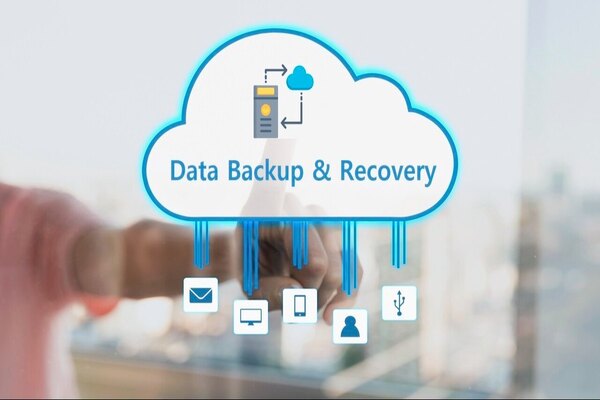
- Data Backup: The process of creating copies of original data and storing them in a secure location (such as external hard drives, remote servers, or the cloud). The goal is to have an alternative data source available if the original is corrupted or lost.
- Data Recovery (Restore): The process of retrieving data from backups and returning it to its normal operating state. This is the subsequent step after an incident occurs, helping the system return to its most recent functional point.
Why are Data Backup and Recovery Important?
No one can predict when an incident will strike. The importance of backup and recovery is reflected in the ability to protect an organization’s reputation and finances.
- Protection Against Ransomware Attacks: Data encryption for ransom has become a global menace. With an independent backup, you can restore your system without paying a single cent to cybercriminals.
- Preventing Loss from Human Error: Accidentally deleting files or overwriting data are common mistakes. A solid recovery process helps fix these errors in just a few minutes.
- Maintaining Business Continuity (BCP): Every second of downtime results in financial loss. Rapid recovery ensures business operations remain seamless without disrupting the customer experience.
The Difference Between Backup and Recovery
Although they often go hand in hand, backup and recovery are two distinct processes with different objectives and operating methods that you should clearly distinguish.

- Objectives of Backup vs. Recovery: Backup focuses on creating secure copies (prevention), while recovery focuses on retrieving data and getting the system back up and running (treatment).
- Measurement Metrics (RPO and RTO): * In backup, the focus is on RPO (Recovery Point Objective)-the maximum amount of data loss that is tolerable.
- In recovery, the RTO (Recovery Time Objective) is the key metric, determining how long it takes for the system to be operational again.
Types of Data Recovery
Depending on the extent of the damage and specific requirements, technicians will choose the appropriate recovery method to optimize time and effort.
- File-level Recovery: This is the most common form, allowing for the restoration of specific lost files or folders without affecting the entire operating system.
- Bare Metal Recovery (BMR): Used when an entire server or computer fails. Data is restored onto completely new hardware, including the operating system, configurations, and applications.
What is Backup and Disaster Recovery?
When large-scale incidents such as fires, floods, or widespread power outages occur, standard backup methods may not be enough. This is where the concept of “disaster” comes into play.
- Definition of Disaster Recovery (DR): DR is a set of policies and procedures to restore IT infrastructure after a natural or man-made disaster. It involves storing data in different geographical locations.
- The Role of Cloud in Disaster Recovery: Cloud computing allows for data replication to data centers in other regions. This ensures that even if the primary office is destroyed, the data remains safe and accessible remotely.
Data Backup and Recovery Process
A standardized process helps minimize the risk of errors and ensures that data is always in a state of high availability.

- Planning and Data Classification: Not all data is created equal. The first step is to identify core data that requires hourly backups versus less critical information.
- Performing Periodic Backups: Establish automated schedules (daily, weekly) to ensure copies are always up-to-date, avoiding the pitfalls of forgetting manual backups.
- Testing and Recovery Drills: This is the step most often overlooked. Regular testing ensures that backup files are not corrupted and that staff know exactly how to operate when a real incident occurs.
Common Data Sources Requiring Recovery
Modern technology environments are highly diverse; therefore, the targets for backup and recovery span across various platforms.
- Databases: SQL and Oracle systems containing customer information and transactions are top priorities due to their constant volatility.
- Virtual Machines (VMs) and Containers: With the trend toward virtualization, backing up entire VMs or Docker images allows for the rapid restoration of complex working environments.
The Importance of a Backup and Recovery Plan
Having good tools is not enough; you need a methodical strategy that is approved and strictly followed by the entire organization.
- Legal Compliance: Many industries (such as banking and healthcare) have strict requirements for data retention. A clear plan helps businesses avoid legal troubles and heavy fines.
- Minimizing Reputational Damage: Customers will lose trust if their data is lost. A solid recovery plan helps maintain a professional brand image in the eyes of the public.
Is Data Deduplication Necessary in Backup?
As data volumes grow exponentially, optimizing storage space becomes a critical economic puzzle.
- Saving Space and Costs: Deduplication technology ensures that only a single unique copy of identical data is stored, significantly reducing the required hard drive capacity or cloud bandwidth.
- Increasing Backup Speed: When the amount of transmitted data is reduced, backup completion times become faster, helping to lower the load on the internal network system.
Modern vs. Traditional Backup and Recovery
The shift from magnetic tape to smarter solutions has completely transformed the way we protect information.
- Advantages of Modern Solutions: Today’s solutions integrate AI to detect malware within backups and support Instant Recovery, features that traditional methods simply cannot provide.
- Flexibility and Scalability: Modern systems allow for nearly unlimited storage expansion on the Cloud, helping businesses easily adapt to data growth without investing in expensive hardware.
Data backup and recovery is not just a technical issue; it is an insurance strategy for your digital assets. Investing appropriately in this process today will provide peace of mind against any future incidents.
