


What is Blockchain? Blockchain is a decentralized technology for storing and verifying data that is secure and transparent, transforming the way many industries operate. From finance and supply chains to healthcare and real estate, Blockchain offers benefits such as cost reduction, faster transactions, and enhanced security and transparency. Understanding Blockchain enables businesses and individuals to effectively leverage its potential.
What is Blockchain?
This may seem like a basic question, but it is central to understanding the technology that is reshaping how industries function today. Blockchain is a data storage system organized in chains of blocks, where each block contains transaction information that is encrypted and linked to the previous block. This design ensures that data cannot be altered or forged without the network’s consensus.
Initially, Blockchain gained recognition through Bitcoin – the first cryptocurrency to utilize this technology. However, Blockchain has since expanded beyond cryptocurrencies and is now widely applied in various fields such as finance, healthcare, logistics, supply chain management, and enterprise data management. Understanding what Blockchain is enables businesses and individuals to harness the tremendous potential this technology offers.
Blockchain is not merely a technical innovation; it is also a strategic solution for businesses seeking greater transparency, security, and efficiency in their operations.
Why is Blockchain Important?
Blockchain is important because it changes the way we store, exchange, and verify information. Traditionally, digital transactions require intermediaries such as banks, payment companies, or regulatory authorities to ensure legitimacy. This can sometimes result in high costs, delays, and risks of manipulation. Blockchain addresses these issues through decentralization, where every node in the network has the authority to verify and record transactions.
Another reason Blockchain is vital is its ability to ensure security and transparency. Each transaction is encrypted and stored in a block, linked to previous blocks via hashes, forming a continuous chain that is extremely difficult to alter. Additionally, Blockchain reduces the risk of fraud, enhances trust, and enables traceability of data. Understanding what Blockchain is reveals that its significance extends beyond cryptocurrency, revolutionizing business processes and information management.
Key Features of Blockchain Technology
Blockchain possesses several distinctive characteristics that set it apart from traditional storage systems. The main features include:

- Decentralization: Data is not controlled by a single entity. Instead, all participants in the network have the right to access and verify information.
- Immutability: Once data is recorded on the chain, it is nearly impossible to alter. This ensures data integrity and protects against tampering.
- Transparency: Every transaction can be audited by all nodes in the network, enhancing trust and openness.
- High Security: Data is encrypted and linked through hashes, preventing unauthorized access or attacks.
- Automation Capability: Through smart contracts, transactions and processes can be executed automatically when predefined conditions are met.
These features make Blockchain an ideal platform for applications ranging from finance and data management to logistics and supply chain operations. Understanding these characteristics helps you grasp what Blockchain is and how it functions in practice.
Key Components of Blockchain
To gain a deeper understanding of what Blockchain is, it is essential to grasp the basic components that make up the system. Each component plays a crucial role in ensuring the security, transparency, and efficiency of Blockchain.
- Block: The fundamental unit for storing data in Blockchain. Each block contains transaction information, a timestamp, and the hash of the previous block. Blocks ensure that data is stored sequentially and linked together.
- Chain: Blocks are connected to form a continuous chain, allowing all data to be recorded safely and transparently.
- Hash: Each block has a unique hash that guarantees data integrity. If the data in a block is altered, the hash changes, alerting the network to potential tampering.
- Peer-to-Peer (P2P) Network: Enables nodes in the network to exchange information and verify transactions without intermediaries.
- Smart Contract: Programs that automatically execute when predefined conditions are met. Smart contracts help automate business processes, reducing costs and the risk of human error.
Understanding these components helps you recognize how Blockchain operates and why it is critical for modern data systems.
How Blockchain Works
Blockchain operates on the principles of decentralization and consensus. When a new transaction occurs, the information is broadcast to all nodes in the network. These nodes verify the transaction’s validity according to predefined rules. Once confirmed, the data is recorded in a new block and appended to the existing chain.
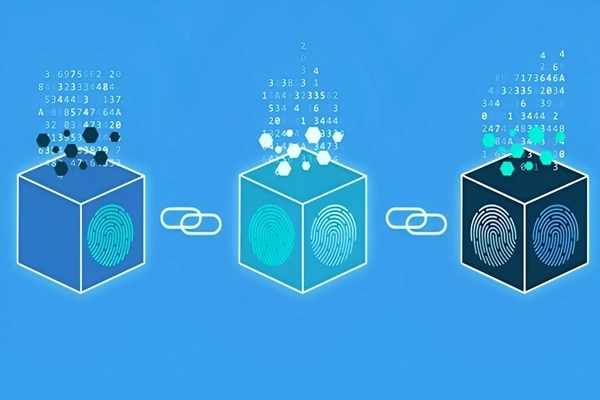
This mechanism eliminates the need for intermediaries, reducing costs, speeding up transactions, and minimizing the risk of errors. Additionally, by storing data across multiple distributed nodes, Blockchain ensures decentralization, meaning no single entity can control the entire system. Understanding how it works helps you grasp what Blockchain is and why it is considered a revolutionary technology.
Types of Blockchain Networks
Blockchain networks come in different types, classified based on their purpose and level of access. Understanding these types helps businesses choose the solution that best fits their needs.
Public Blockchain
A Public Blockchain is an open network where anyone can participate in reading, writing, and verifying transactions. This type of Blockchain is the most common and transparent, with examples including Bitcoin and Ethereum. Public Blockchains are notable for their decentralization and immutability, though transaction processing can sometimes be slower due to the large number of participating nodes.
Private Blockchain
A Private Blockchain allows only authorized participants to access and verify transactions. This type is often used by businesses or organizations to secure data, control access, and increase transaction processing speed. Private Blockchains are suitable for internal systems where data confidentiality is essential but organizations still want to leverage Blockchain’s benefits.
Hybrid and Consortium Blockchains
Hybrid Blockchain combines the transparency of public blockchains with the control of private blockchains. Consortium Blockchain allows a group of organizations to jointly manage and verify data, making it ideal for collaborative industries such as banking, logistics, and healthcare. This type of Blockchain provides a balance between security, control, and transparency, opening up numerous real-world application opportunities.
Popular Blockchain Protocols
Blockchain protocols determine how data is recorded, verified, and protected. Some common protocols today include:
- Proof of Work (PoW): Miners solve complex computational problems to validate transactions. PoW is used in Bitcoin and provides high security but consumes a large amount of energy.
- Proof of Stake (PoS): Transactions are verified based on the amount of coins a user holds, reducing energy consumption and increasing transaction speed. Ethereum is transitioning from PoW to PoS to optimize efficiency.
- Delegated Proof of Stake (DPoS): Users vote for delegates responsible for verifying transactions, enhancing decentralization and processing speed.
- Practical Byzantine Fault Tolerance (PBFT): Often used in enterprise blockchains, PBFT increases verification speed and reduces costs while maintaining accuracy.
Choosing the appropriate protocol depends on a project’s goals, level of decentralization, and scalability requirements. Understanding these protocols helps you grasp what Blockchain is and how to apply it effectively in practice.
Benefits of Blockchain Technology
When learning what Blockchain is, it is essential to recognize the benefits this technology offers to businesses and organizations.

- Enhanced Transparency: All transactions are recorded on the chain, allowing all participants to verify them and ensuring data integrity.
- Cost Optimization and Reduced Intermediaries: Digital transactions do not require banks or other intermediaries, saving time and costs.
- High Security: Thanks to its decentralized nature, Blockchain reduces risks from human errors or hacking, keeping data secure.
- Smart Contracts: Enable automation of processes without continuous supervision.
- Strategic Solution for Businesses: Blockchain is not just a technical platform; it also enhances operational efficiency and transparency in business activities.
The Difference Between Bitcoin and Blockchain
Many people often confuse Bitcoin with Blockchain, but in reality, they are two completely different concepts.
| Criteria | Bitcoin | Blockchain |
|---|---|---|
| Nature | Cryptocurrency, a specific application | Decentralized data storage technology |
| Main Function | Transactions and use as currency | Transparent, secure, decentralized data storage |
| Scope of Application | Mainly in the financial sector | Finance, healthcare, logistics, supply chain, enterprise data management, and many other industries |
| Value | Digital financial product | Provides significant value, creating opportunities for applications across various industries and businesses |
Applications of Blockchain Across Industries
Understanding what Blockchain is allows us to recognize the diverse potential applications of this technology.

- Finance: Blockchain enables fast payments, digital asset management, and cross-border transactions without intermediaries, reducing the risk of fraud and transaction errors.
- Supply Chain: It helps track the origin of products from production to consumers, ensuring transparency and preventing fraud—for example, monitoring agricultural shipments from farms to stores.
- Healthcare: Blockchain securely stores medical records, allowing data sharing between healthcare facilities while protecting patient privacy.
- Real Estate: It manages documents and transactions transparently, reducing the risk of disputes in property buying and selling.
- Government: Blockchain supports citizen data management, facilitates electronic voting, and enhances transparency in public services.
- Strategic Applications: Understanding what Blockchain is and its practical applications helps organizations build effective digital transformation strategies and fully leverage the technology’s potential.
Development and Versions of Blockchain
Blockchain continues to evolve, with multiple improved versions developed to meet the growing demands of businesses and digital technology. Blockchain 1.0 focuses on cryptocurrencies, exemplified by Bitcoin, with the primary goal of storing and transacting digital money.
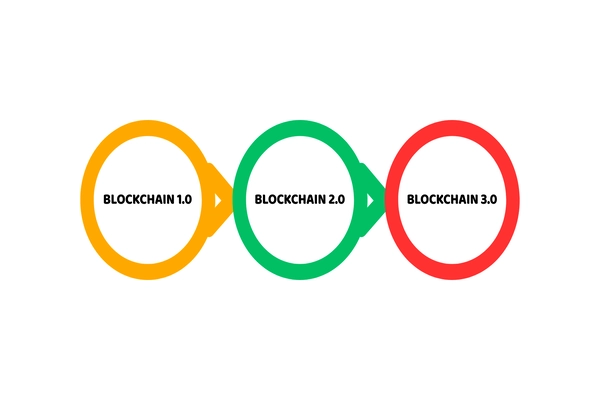
Blockchain 2.0 emerged with the introduction of smart contracts on platforms like Ethereum, enabling automated transactions and pre-programmed business logic. This version opened the door for the development of decentralized applications (DApps) across various industries.
Blockchain 3.0 focuses on scalability, interoperability between different Blockchains, and improved processing speed. This version aims to address issues such as scalability, energy consumption, and real-world application integration. Thanks to these advancements, understanding what Blockchain is has become essential to keeping up with modern technological trends.
Limitations of Blockchain
Despite its many benefits, Blockchain also has several limitations that should be considered during implementation:
- High Energy Consumption: Especially with the Proof of Work (PoW) mechanism, network nodes must solve complex problems to verify transactions, consuming significant energy.
- Scalability and Transaction Speed Challenges: Some public Blockchains experience slower processing speeds as user numbers increase.
- High Technical Requirements: Implementing and managing Blockchain requires expertise in networking, cryptography, and programming.
- Regulatory Challenges: Blockchain and cryptocurrency regulations in many countries are still underdeveloped, posing legal risks for businesses and users.
- Considerations for Adoption: Understanding these limitations helps businesses ensure that the benefits of Blockchain outweigh potential risks.
Frequently Asked Questions About Blockchain
Is Blockchain Cryptocurrency?
Many people confuse Blockchain with cryptocurrency, but Blockchain is not digital currency. Blockchain is a technology platform for decentralized data storage and verification, while cryptocurrencies like Bitcoin are specific applications built on Blockchain. Understanding this distinction helps avoid confusion and recognize the true value of the technology.
Can Blockchain Disappear?
The likelihood of Blockchain disappearing is very low. With its widespread applications across industries, high security, and potential to revolutionize business processes, Blockchain is becoming a key platform in the digital era. Many experts even predict that Blockchain will continue to grow and expand in the future. Knowing what Blockchain is enables businesses to plan long-term strategies to leverage this technology.
How is Blockchain Different from Traditional Databases?
Blockchain differs from traditional databases in several ways:
- Decentralized vs. Centralized: Blockchain data is stored across multiple network nodes, while traditional databases are usually centralized.
- Immutable vs. Editable: Blockchain data is nearly impossible to alter, whereas traditional databases can be modified.
- Transparent vs. Limited Access: Blockchain allows participants to audit data, while access to traditional databases is usually restricted.
These differences make Blockchain an ideal choice for applications that require transparency, security, and independence from intermediaries.
Blockchain is a foundational technology that provides transparency, security, and efficiency across various industries. From finance and healthcare to supply chains, Blockchain helps reduce costs, accelerate transactions, and optimize data management. Despite some limitations, the potential applications of Blockchain are vast, offering opportunities for digital transformation and sustainable development for both businesses and society.
