


In today’s digital era, an online presence is no longer limited to static websites that merely introduce information. To increase interactivity and solve complex business problems, Web Application Development has become the golden key for every enterprise. From social media platforms like Facebook to internal management tools, web applications are changing how we work and communicate every day.
What is Web Application Development?
Web Application Development is the process of building software programs that run on web servers and are accessible through internet browsers. Unlike traditional software that must be installed on an operating system, web applications allow users to interact directly, store data, and perform complex tasks right on browsers such as Chrome, Safari, or Firefox.
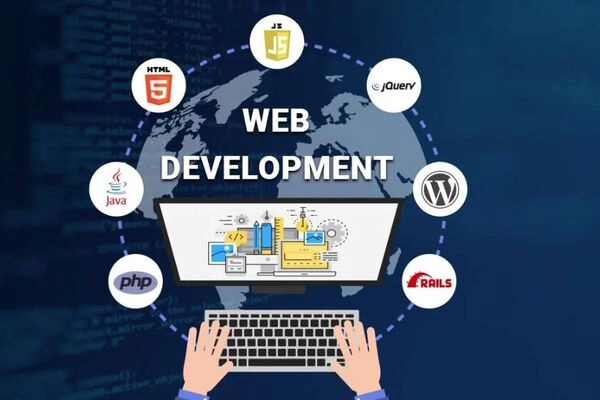
This process is not merely about writing code; it also encompasses User Experience (UX) design, User Interface (UI) design, database management, and ensuring cybersecurity. A successful web application is a seamless combination of server-side logic (Back-end) and client-side smoothness (Front-end).
How do web applications differ from websites?
Many people often confuse “Websites” with “Web Applications.” However, the boundary between them lies in the level of interactivity and the purpose of use. Understanding this difference helps businesses set the right direction from the very first steps of the web application development process.
- Interactivity: Websites are primarily informational (such as news sites or blogs) where users mainly read or view images. In contrast, web applications focus on interaction: users can create accounts, make payments, edit data, or receive instant feedback.
- Purpose: A website is for display; a web application is for performing tasks.
- Complexity: Web applications require tight integration with database management systems and complex logical algorithms, far exceeding those of a standard website.
Why is Web Application Development important?
In the context of digital transformation, web application development is no longer an option but a mandatory requirement for survival. It brings immense benefits not only to end-users but also to the overall business operation.

Here are the reasons why investing in web applications has become essential:
- High Flexibility: Users can access the app from any device (PC, Laptop, Smartphone) as long as they have an internet connection, without needing to install anything.
- Easy Maintenance and Updates: Any code changes are simply implemented on the server; users receive the latest version immediately upon refreshing the page.
- Cost Optimization: Instead of building separate applications for Windows, macOS, iOS, and Android, you only need to develop a single web application that runs on all browsers.
- Scalability: Modern cloud platforms make it easy to upgrade web applications to serve millions of users simultaneously.
Technologies used for Web Application Development
To build a complete product, developers must use a “Technology Stack” consisting of various components. Choosing the right technology will determine the performance, security, and scalability of the web application development project in the future.
Typically, technology is divided into two main areas:
- Front-end: Everything the user sees and interacts with (HTML, CSS, JavaScript, and frameworks like React, Vue, or Angular).
- Back-end: The “under-the-hood” logic processing (Node.js, Python, PHP, Java combined with databases like MySQL, MongoDB, or PostgreSQL).
- Infrastructure: Cloud hosting services such as AWS, Google Cloud, or Azure.
Web Application Development Process
A professional process ensures that a product moves from idea to reality logically and with minimal errors. The web application development process is typically divided into the following strict phases:
- Requirements Analysis: Define goals, target audience, and core features.
- Planning & Design (UI/UX): Create wireframes and detailed interface designs to ensure the best possible user experience.
- Coding: Implement both Front-end and Back-end based on the design specifications.
- Testing: Detect bugs, verify performance, and check the application’s security.
- Deployment: Launch the application on a server so that users can start accessing it.
- Maintenance: Monitor and update the application based on user feedback.
Popular Programming Languages for Web Applications
The diversity of programming languages allows developers to be flexible in solving specific problems. Depending on the project’s scale, you can choose from the following “popular” languages for web application development:
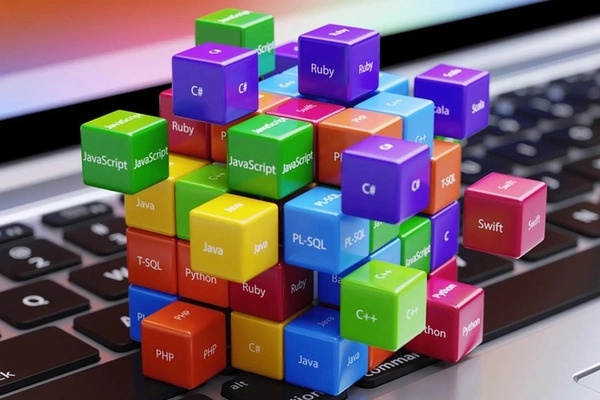
- JavaScript: An indispensable language that runs on both the Front-end and Back-end (Node.js).
- Python: A top choice for web applications integrated with Artificial Intelligence (AI) and data analysis, thanks to its simple syntax.
- PHP: Still maintains a strong position in management applications and e-commerce (notably with WordPress and Laravel).
- Java: Frequently used by large corporations for banking and financial systems that require absolute security.
How do Web Applications work?
The operating mechanism of a web application is based on the Client-Server model. When you perform an action on a browser, a sequence of events takes place to deliver the result to you.
The process unfolds as follows:
- Request: The user sends a request via the browser (for example, clicking a “Login” button).
- Processing: The browser forwards the request to the server. Here, the back-end source code processes the request and queries data from the Database.
- Response: The server sends the response data (usually in HTML/JSON format) back to the browser.
- Rendering: The browser receives the data and displays it on the screen for the user to see the result.
Web Application Development Trends
Technology is changing at a breakneck pace. To avoid falling behind, staying updated with new trends in web application development is a prerequisite for creating a competitive advantage. Below are the technologies currently shaping the future of the web industry:

Progressive Web Apps (PWA)
PWA is likened to a perfect “hybrid,” blurring the lines between traditional websites and native mobile apps. With PWA, users can easily “install” the app directly from the browser, receive instant push notifications, and maintain a smooth experience even with unstable internet or offline access.
Blockchain
Moving beyond the realm of cryptocurrency, integrating Blockchain into web application development is becoming the solution for absolute transparency and security. This technology is particularly powerful in complex financial transaction systems and modern supply chain management.
Chatbots and Artificial Intelligence (AI)
No longer limited to dry, pre-written scripts, AI is now breathing “soul” into web applications through intelligent chatbots. The ability to automate 24/7 customer service and personalize content based on actual behavior helps businesses reach the right user touchpoints in the most subtle and accurate way.
How to Start Web Application Development
If you are a beginner or a business with an idea, getting started can feel overwhelming. However, every web application development journey should follow a step-by-step roadmap to avoid wasting resources.
First, clearly identify the “pain point” that your application will solve. Then, start with an MVP (Minimum Viable Product) to validate the market before committing a large budget. If you do not have an in-house team, finding a reputable software outsourcing partner is a smart choice to ensure technical quality.
Frequently Asked Questions about Web Application Development
Below are some common inquiries we frequently receive from clients and aspiring developers:
Q: How much does it cost to develop a web application?
A: The cost depends on the complexity of the features and the development time. It can range from a few thousand to hundreds of thousands of USD.
Q: How long does it take to complete a web app?
A: A basic application usually takes 2-3 months, while complex systems may require 6 months to over a year.
Q: Should I choose a Web App or a Mobile App?
A: If you need to reach users quickly across all devices, a Web App is an excellent choice. If you need to deeply leverage phone hardware features (camera, sensors), a Mobile App will have the advantage.
Web application development is not just a technical trend but a vital strategy that helps businesses optimize operations and engage customers in the digital age. Understanding the process and embracing new technologies like AI or PWA will help you create breakthrough products. Start your journey today to not miss the opportunity to conquer the high-potential online market.
