


Driven by technological growth, telemedicine has become an indispensable healthcare trend. Patients can now bypass hospital lines by connecting with specialists online for immediate advice and diagnosis. This approach saves time and money, making high-quality care accessible to all. Below, TECHNEST explores the benefits, workflows, and essential tips for navigating this digital health landscape.
What is Telehealth?
Telehealth (Telemedicine) is a method of providing healthcare services through information and communication technology, allowing patients and doctors to connect without a face-to-face meeting. Rather than traveling to a hospital or clinic, patients can communicate with doctors via phone calls, video calls, mobile apps, or specialized online platforms.
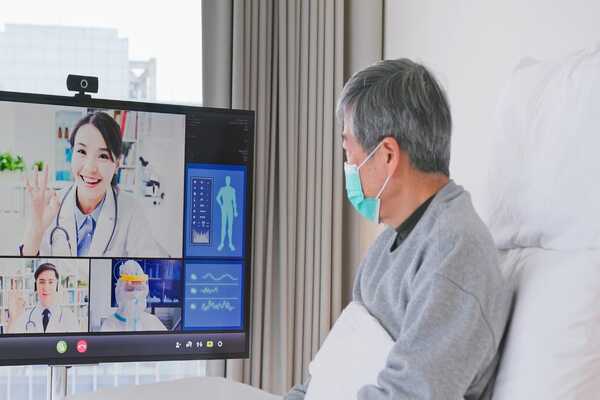
This concept was established to overcome barriers of geographical distance, time, and cost, while simultaneously expanding healthcare access for many groups, particularly people in remote areas or those with limited mobility.
Telehealth is not limited to online consultations; it also encompasses various other activities such as remote health monitoring, chronic disease management, electronic prescriptions, and even emergency support in certain urgent situations.
Benefits of Telehealth
Telehealth offers numerous practical benefits for both patients and healthcare professionals:
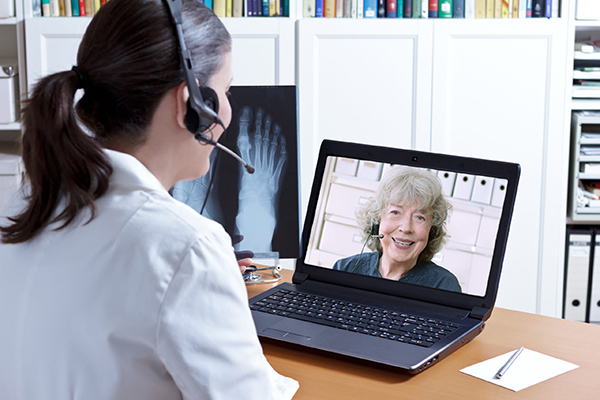
- Time and Cost Savings: Patients do not need to travel to the hospital, reducing transportation expenses, waiting times, and other incidental costs.
- Rapid Access to Doctors: Particularly useful for urgent consultations or when patients are located far from medical centers.
- Continuous Health Monitoring: Smart medical devices can measure heart rate, blood pressure, blood sugar, etc., and send data directly to doctors to monitor the patient’s condition.
- Reducing Hospital Overload: Helps limit overcrowding at medical facilities, especially during pandemic periods.
- Enhanced Personalization: Doctors can provide appropriate treatment plans based on frequently updated health data.
- Safety During Pandemics: Reduces the risk of cross-infection by limiting direct contact at hospitals.
Common Telehealth Services
Currently, telehealth has diversified into many different services:
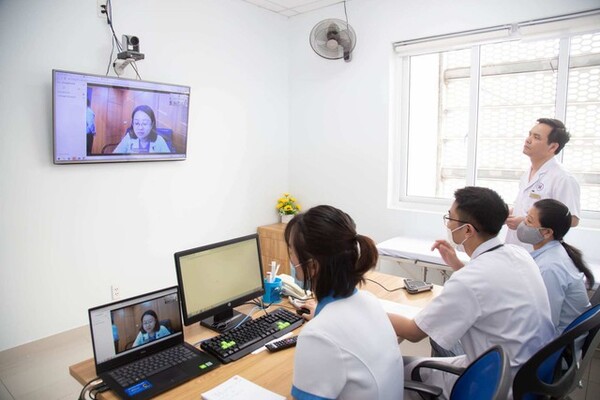
- Online Medical Consultations: Patients book appointments and interact with doctors via video calls or mobile applications.
- Remote Chronic Disease Management: People with diabetes, cardiovascular disease, high blood pressure, etc., can be monitored continuously through connected measuring devices and apps.
- Electronic Prescriptions (E-prescriptions): Following a consultation, doctors can issue prescriptions online; patients receive them via the app and can purchase medication at pharmacies.
- Mental Healthcare: Psychological experts provide online counseling to support patients in overcoming stress and depression.
- Remote Emergency Support: In certain urgent cases, doctors can provide first-aid instructions via phone or video before the ambulance arrives.
- Public Health Education: Telehealth platforms often provide information, articles, and instructional videos to raise awareness about healthcare.
Risks of Using Telehealth
Despite its many benefits, telehealth also presents certain risks and challenges:
- Diagnostic Limitations: Not all conditions can be accurately diagnosed online, especially those requiring physical examinations or laboratory tests.
- Data Security Issues: If personal health data is not well-protected, it could be leaked or misused.
- Inconsistent Quality of Service: Depending on the platform and the medical team, the quality of consultation may vary.
- Dependency on Technology: Patients need a stable internet connection and devices, which can be a barrier for the elderly or areas with weak infrastructure.
- Challenges in Emergencies: In urgent situations, telehealth is only supportive and cannot fully replace in-person emergency services.
Frequently Asked Questions about Telehealth
- Can telehealth completely replace in-person visits?
No. Telehealth only serves as a support and supplement to reduce hospital overload and increase accessibility. For complex illnesses, patients still need to visit the hospital for a direct examination.
- Can I use telehealth to receive a prescription?
Yes. Many current telehealth platforms allow doctors to issue electronic prescriptions following an online consultation.
- Is telehealth safe?
If you use services from reputable platforms, your health data will be secured. However, users should remain cautious when sharing personal information.
- Can the elderly use telehealth?
Absolutely, though they may sometimes require assistance from family members to navigate the devices.
- Is telehealth applicable for chronic diseases?
Yes. This is one of the most common applications, helping doctors continuously monitor a patient’s condition and adjust treatment plans promptly.
Telehealth is becoming an inevitable trend in the modern healthcare industry. With the advancement of technology, this model not only helps patients access medical services quickly and conveniently but also contributes to improving the quality of community healthcare. However, to maximize the benefits, users should choose reputable platforms and understand the potential risks to use these services safely and effectively.
