


The digital era has fueled the rise of the Smart Hospital, a model that seamlessly integrates modern technology with advanced medical expertise. This digital ecosystem ensures stringent data management and operational optimization through AI and IoT. The smart hospital model serves as the ultimate solution for enhancing service quality and reducing the workload for doctors, while creating a future of convenient and effective healthcare for the community.
What is a Smart Hospital?
A smart hospital is a healthcare model that leverages digital technology, Artificial Intelligence (AI), the Internet of Things (IoT), Big Data, and automation solutions to improve clinical quality, optimize operations, and enhance the patient experience.
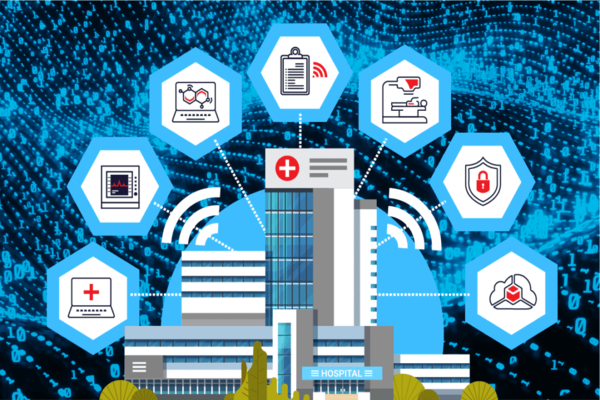
Unlike traditional hospitals, a smart hospital does not only focus on modern physical infrastructure but also prioritizes data connectivity, intelligent management, and data-driven decision-making. This approach minimizes errors, saves time and costs, and increases treatment efficacy. For instance, a smart hospital utilizes Electronic Medical Records (EMR) to store comprehensive patient data—from medical history and lab results to diagnostic imaging—allowing doctors to access information easily and provide more accurate treatment plans.
Key Features of a Smart Hospital
A facility is considered “smart” when it possesses the following core features:
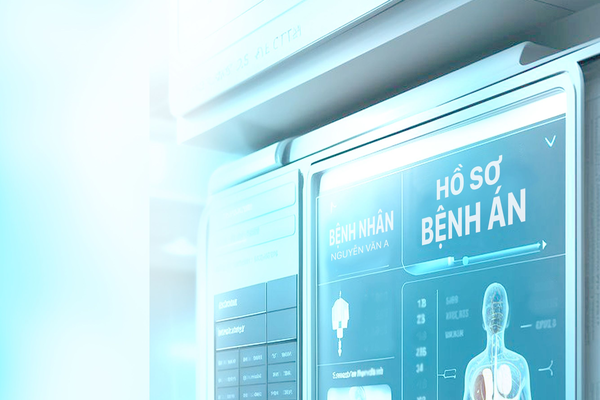
- Electronic Medical Records (EMR/EHR): Completely replaces traditional paperwork, enabling rapid and accurate storage and sharing of patient data.
- Intelligent Management Systems: Automates registration, appointment scheduling, billing, and the management of pharmaceuticals and medical supplies.
- Artificial Intelligence (AI) Applications: Assists physicians in diagnostic imaging, lab data analysis, and predicting disease risks.
- Internet of Things (IoT): Connects smart medical devices to a central system for continuous monitoring of patient vitals and instant alerting of abnormalities.
- Telemedicine: Allows remote patients to receive consultations, diagnoses, and health monitoring through online platforms.
- Smart Infrastructure & Energy Management: Controls lighting, HVAC, and medical equipment intelligently to save energy and ensure safety.
- Digital Patient Experience: Enables patients to book appointments, receive lab results, pay bills, and track their treatment progress directly via mobile applications.
Benefits of a Smart Hospital
Implementing the smart hospital model is not only a technological leap forward but also delivers practical value to patients, medical staff, and the entire healthcare system.
For Patients:
- Significantly reduces waiting times through online registration, scheduling, and payment processes.
- Ensures continuous monitoring and care, even at home, via IoT devices and telemedicine services.
- Provides fast and accurate diagnostic results, leading to more effective treatment outcomes.
For Doctors and Medical Staff:
- Reduces administrative burdens thanks to automated management systems, allowing them to focus more on clinical expertise.
- Provides comprehensive electronic health records to make accurate and timely treatment decisions.
- Receives AI support in diagnostics, which minimizes medical errors and enhances professional quality.
For the Healthcare System:
- Optimizes operational costs and limits the wastage of medications and medical supplies.
- Improves service quality, increasing patient satisfaction and trust.
- Builds a massive medical database to serve scientific research, medical development, and national healthcare policy planning.
Challenges in Building a Smart Hospital
Despite the numerous benefits, deploying a smart hospital faces several significant challenges:
- High investment costs: Technology systems, smart medical equipment, and data infrastructure require substantial capital.
- Human resource training: Doctors, nurses, and staff must be trained to become proficient in using new technologies.
- Data security: Electronic medical records and personal health data require stringent protection to prevent information leaks.
- System integration: Connecting multiple different technology platforms can encounter compatibility issues.
- Changing habits: Both patients and medical staff must adapt to digitized workflows instead of traditional methods.
The Future of Smart Hospitals
In the future, the smart hospital will become the global benchmark for the healthcare industry. Some prominent trends include:

- Advanced AI Applications: AI will not only assist in diagnosis but also predict disease risks and personalize treatment protocols.
- Smart Preventive Medicine: Data from wearables will help detect early abnormal signs and prevent diseases before they manifest.
- Blockchain Integration: Ensuring absolute transparency and security for electronic medical records.
- Paperless Hospitals: The entire process—from registration and clinical examination to payment—will be fully digitized.
- International Collaboration: Smart hospitals will connect with global medical centers to share data and clinical expertise.
Frequently Asked Questions about Smart Hospitals
- Will smart hospitals completely replace traditional hospitals? No. A smart hospital is an upgrade of the traditional model, integrating technology to enhance the efficiency of medical examination and treatment.
- Is the cost of treatment at a smart hospital higher? Initial costs may be higher due to technological investment; however, in the long run, costs will decrease through process optimization and resource savings.
- Are smart hospitals data-secure? Yes, provided that advanced security solutions such as data encryption, blockchain, and cybersecurity monitoring systems are implemented.
- Can people in remote areas access smart hospitals? Yes, through telemedicine services and IoT devices that support home health monitoring.
- Does Vietnam have smart hospitals yet? Several major hospitals in Vietnam have begun implementing the smart hospital model, applying electronic medical records and telemedicine services.
The Smart Hospital is not just a trend but an inevitable solution to enhance healthcare quality in the digital age. By combining modern technology with medical expertise, smart hospitals promise to deliver a better patient experience, support doctors more effectively, and optimize the overall healthcare system.
