


In the era of Industry 4.0, businesses are increasingly focused on optimizing operations and minimizing downtime risks. One breakthrough technology is IoT predictive maintenance, which enables the early detection of potential equipment failures before they occur. By collecting and analyzing real-time data, IoT in predictive maintenance is becoming an essential trend across manufacturing, energy, logistics, and many other sectors.
What is IoT predictive maintenance?
To understand IoT predictive maintenance, it is important to see how IoT enables early fault detection. IoT in predictive maintenance combines smart sensors, connected networks, and data analytics to monitor equipment conditions in real time. Unlike reactive maintenance (fixing after failure) or scheduled maintenance (fixed-interval servicing), predictive maintenance uses actual machine data to determine the optimal time for maintenance.

In this system, IoT sensors play a key role in capturing equipment signals such as vibration, sound, temperature, and electrical current. This data is sent to an analytics platform to assess any anomalies. When the algorithm detects a potential failure, the system sends alerts to technicians, allowing maintenance to be performed before a breakdown occurs.
Key components of an IoT predictive maintenance system
A complete IoT predictive maintenance system typically consists of multiple interconnected components that work together to maximize prediction accuracy. Each component plays a critical role in data collection, processing, and alert generation. Understanding the overall structure of the system is essential before exploring specific maintenance methods.
Main components include:
- IoT Sensors: Sensors such as vibration, temperature, sound, and current sensors are installed directly on monitored equipment. They continuously collect data to support machine condition analysis.
- IoT Gateway: The gateway aggregates data from sensors and transmits it over the Internet or local networks, ensuring secure and stable data transfer.
- Analytics Platform: Data is processed using AI, machine learning, or predictive models. This platform detects anomalies and predicts potential failures.
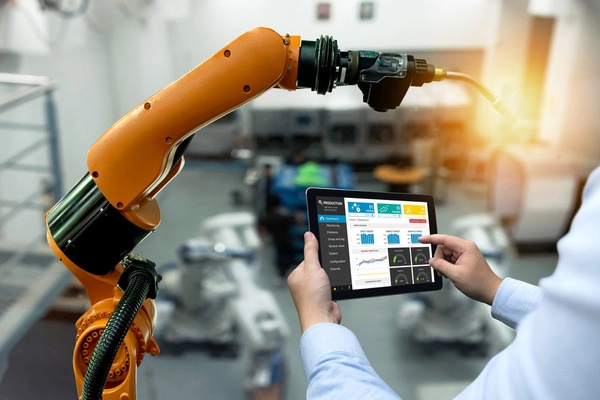
- Dashboard and Alert System: Allows engineers to monitor real-time data and receive alerts via SMS, email, or applications.
The combination of these components creates an effective and reliable IoT predictive maintenance system.
Principles of IoT predictive maintenance operation
Before diving into specific analysis methods, it is important to understand the overall workflow of an IoT predictive maintenance system. Its operation is based on continuously collecting and analyzing machine data to detect early signs of abnormal conditions.

The general process consists of the following steps:
- Data collection: Sensors installed on equipment capture parameters such as vibration, noise, temperature, and electrical current.
- Data transmission: The gateway sends the collected data to the cloud or server for processing.
- Data analysis: AI and machine learning analyze both historical and real-time data to detect deviations from normal operating conditions.
- Failure prediction: Predictive models assess the likelihood of equipment failure and determine when maintenance may be required.
- Alert generation: The system sends timely alerts to engineers, allowing them to inspect or replace components before a breakdown occurs.
Thanks to this workflow, IoT predictive maintenance enables businesses to be far more proactive compared to traditional maintenance methods.
Common predictive maintenance methods
Below are some widely used techniques in IoT predictive maintenance. Each method employs specific sensors suitable for different types of equipment. This overview serves as a lead-in to the detailed H3 sections. Depending on the machinery and monitoring goals, technicians can apply individual methods or combine several, such as sound analysis, vibration analysis, oil quality testing, infrared inspection, and motor circuit checks, providing multiple perspectives to improve prediction accuracy.

Sound Analysis
Sound analysis is a method that uses microphones or ultrasonic sensors to capture the noise generated by equipment. When machines operate normally, they produce stable sounds. Any unusual changes, such as clicking, squealing, or metallic noises, may indicate potential problems. With IoT integration, the sound data is transmitted to an analytics platform, where AI compares it against standard sound patterns to identify anomalies. This method is particularly effective for air compressors, motors, industrial fans, and water pumps.
Vibration Analysis
Vibration analysis is one of the most common and critical methods in IoT predictive maintenance. Accelerometer sensors are installed on motors, pumps, or bearings to measure equipment vibrations. Each type of fault produces a unique “vibration fingerprint.”
For example:
- Imbalance generates consistent vibrations.
- Misalignment causes cyclical vibrations.
- Worn bearings produce high-frequency vibrations.
Vibration analysis allows highly accurate fault detection, especially for rotating equipment in manufacturing plants.
Oil Quality Monitoring
Lubricant oil analysis allows technicians to assess the internal condition of machinery without disassembly. Sensors can measure parameters such as:
- Viscosity
- Metal wear content
- Oil temperature
- Moisture in the oil
An increase in metal content indicates internal component wear. With IoT integration, data is continuously collected, and automatic alerts are sent when oil quality deteriorates.
Infrared Temperature Analysis
Thermal cameras or infrared sensors detect abnormal hot spots on equipment. This is especially important for electrical cabinets, motors, pumps, compressors, and mechanical devices. When a component begins to fail, its temperature usually rises before a breakdown occurs. IoT enables real-time temperature monitoring and provides clear graphical displays for rapid analysis by engineers.
Motor Circuit Monitoring
Motor circuit analysis involves tracking electrical parameters such as:
- Current
- Voltage
- Power factor
- Frequency
Abnormalities in electrical data can reveal issues like coil faults, overload conditions, or connection failures. With IoT, even minor issues can be detected early, preventing motor burnout or unexpected downtime.
Benefits of IoT Predictive Maintenance in Manufacturing
To fully appreciate the value of predictive maintenance, it is important to understand how IoT transforms operational processes. Through smart sensor networks and data analytics, businesses can not only monitor real-time equipment performance but also predict when machinery may fail. This proactive approach provides significant advantages over traditional maintenance methods.
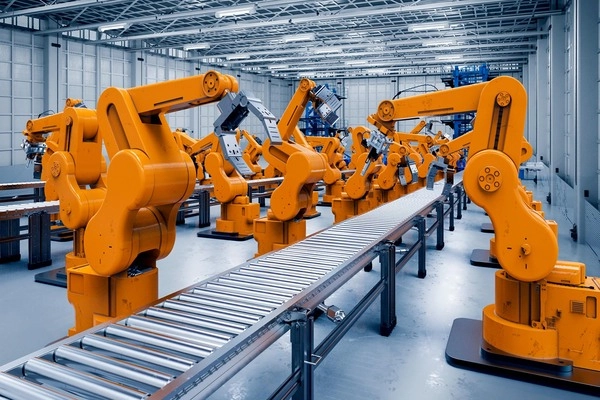
- Reduced Downtime: IoT predictive maintenance enables early detection of anomalies, allowing maintenance to be scheduled before equipment fails. This prevents unexpected downtime, which can cause significant production losses.
- Maintenance Cost Savings: Instead of replacing parts on a fixed schedule or repairing them after severe damage, businesses perform maintenance only when necessary. This approach significantly reduces both material and labor costs.
- Extended Equipment Lifespan: Continuous monitoring and keeping machines in optimal condition help extend their lifespan, an important factor for maximizing return on investment.
- Optimized Operational Performance: Real-time data provides managers with a clear understanding of equipment behavior, enabling smarter production planning and decision-making.
- Improved Workplace Safety: IoT predictive maintenance reduces the likelihood of serious incidents, preventing unexpected breakdowns or hazards, and ensuring a safer working environment.
Advantages and Disadvantages of IoT Predictive Maintenance
Before implementing an IoT-based predictive maintenance system, businesses need to understand both its strengths and potential challenges. The following section provides an overview before diving into detailed analysis.
Advantages
- High Accuracy: IoT continuously collects data at high frequency, and when combined with AI, it delivers much more accurate predictions compared to manual methods.
- Maintenance Process Automation: The system automatically detects anomalies and sends alerts, reducing reliance on time-consuming manual inspections.
- Long-term Cost Savings: Although the initial investment is relatively high, businesses save significantly on major repair costs over time.
- Data Transparency: Comprehensive and centralized data collection allows managers to analyze information easily and make informed decisions.
Disadvantages
- High Initial Investment: A full IoT predictive maintenance system requires multiple sensors, gateways, a data platform, and trained personnel.
- Specialized Knowledge Required: Companies need staff skilled in IoT, data analysis, and AI to operate the system effectively.
- Long Deployment Time: The system requires time to collect sufficient data for training predictive models.
- Dependence on Network Infrastructure: Weak or unstable networks can interrupt data transmission, affecting analysis results.
Applications of IoT in Predictive Maintenance
IoT predictive maintenance can be widely applied across various industries. Before exploring specific sectors, it is important to understand the overall flexibility and adaptability of this technology.
Thanks to its remote monitoring capabilities, intelligent analysis, and automatic alerts, IoT in predictive maintenance is suitable for any sector with continuously operating equipment, complex machinery, or high safety requirements.
- Industrial Manufacturing: IoT monitors motors, pumps, turbines, and production lines. Vibration, temperature, and sound sensors help detect early faults in industrial machinery.
- Energy Sector: Wind turbines, generators, and substations use this technology to reduce the risk of fires and power supply interruptions.
- Oil & Gas: Drilling machines, air compressors, and high-pressure pipelines require precise maintenance to prevent serious accidents.
- Transportation and Logistics: Trucks, container vehicles, ships, and airplanes can utilize IoT to monitor engines and drive systems.
- Smart Buildings: HVAC systems, elevators, and water pumps are continuously monitored to ensure stable operation.
- Smart Agriculture: Equipment such as water pumps, greenhouse motors, and harvesting machines apply predictive maintenance to improve efficiency.
Considerations for Implementing IoT Predictive Maintenance
Before deploying an IoT predictive maintenance system, businesses must clearly define their objectives, scope, and implementation plan. The following section outlines key factors to prepare for a successful rollout.

To ensure an effective implementation, businesses should start on a small scale, focusing first on the most critical equipment and gradually expanding according to operational needs.
- Prioritize Key Equipment: Not all machines require sensors. Focus on high-value, critical, or production-disrupting equipment.
- Select Appropriate Sensors: Choose sensors based on the type of machinery—vibration sensors for motors, infrared for electrical cabinets, sound sensors for compressors, and so on.
- Ensure Data Infrastructure: Industrial Wi-Fi, LPWAN, or 4G/5G networks must be stable to prevent data loss.
- Standardize Maintenance Processes: Data is only valuable when integrated into clear and consistent maintenance procedures.
- Train Personnel: Technicians and operators need to understand the system to use dashboards, interpret alerts, and make informed decisions.
Challenges in Implementing IoT Predictive Maintenance
Despite its benefits, deploying IoT predictive maintenance presents several challenges. Applying IoT is not always straightforward, especially for companies lacking a strong technological foundation. Key challenges include:
- Quality Data Collection: Insufficient or inaccurate data makes it difficult for AI models to reliably detect faults.
- Data Security: IoT systems can be targets for cyberattacks without proper security measures.
- Integration with Legacy Systems: Older equipment may be hard to equip with sensors or connect to digital platforms.
- Long-term Maintenance Costs: IoT device maintenance, software updates, and system upgrades require ongoing investment.
- Shortage of IoT and Data Analytics Experts: This is a major challenge for most companies, particularly in traditional manufacturing sectors.
IoT predictive maintenance is an inevitable trend in modern industry, helping businesses maintain stable equipment performance, reduce costs, and optimize productivity. By collecting and analyzing real-time data, IoT in predictive maintenance achieves much higher accuracy than traditional methods. Techniques such as vibration analysis, sound monitoring, oil quality assessment, and motor circuit inspection enable early detection of potential failures, improving operational efficiency and minimizing production risks.
