


In the Fourth Industrial Revolution (Industry 4.0), the concept of Cyber-Physical Systems (CPS) has become the “backbone” for the development of smart factories, smart cities, and modern healthcare infrastructure. Beyond simple internet connectivity, CPS represents a deep integration of computation, networking, and physical processes.
What is a Cyber-Physical System (CPS)?
A Cyber-Physical System (CPS) is a system that integrates software algorithms and physical components to control, monitor, and interact with the real world.
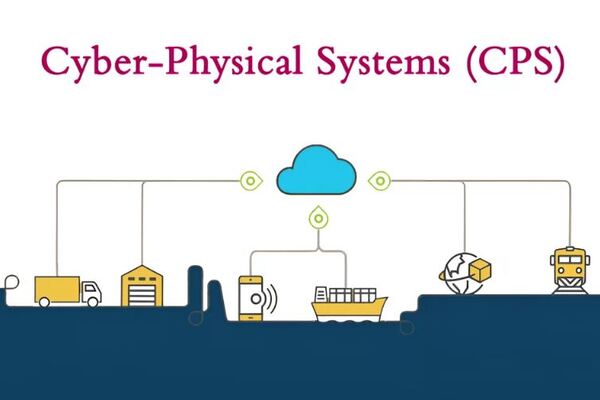
Unlike traditional computer systems that only process digital data, a CPS uses sensors to collect data from the physical environment, then employs control algorithms to provide feedback to that environment through actuators.
Benefits of Cyber-Physical Systems
The implementation of Cyber-Physical Systems brings groundbreaking advancements to both businesses and society:
- Performance Optimization: Automating complex processes and minimizing human error.
- Real-time Response: The ability to process data instantaneously helps prevent incidents before they occur.
- Cost Savings: Reducing energy consumption and maintenance costs through predictive maintenance.
- Improved Quality of Life: Applications in healthcare enable continuous and precise patient monitoring.
Key Features of Cyber-Physical Systems
To be classified as a true CPS, a system must possess the following characteristic features:
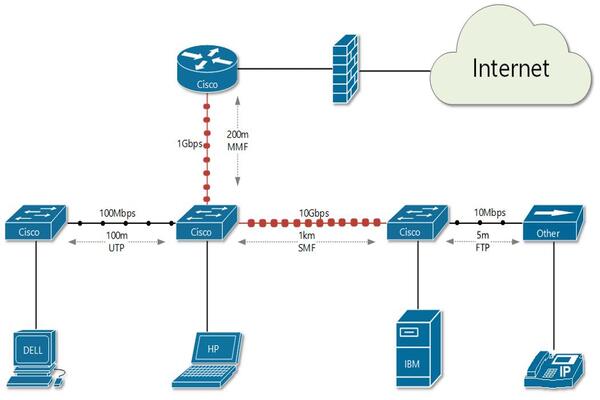
- Feedback Loop: Continuous two-way interaction between software and hardware.
- Distributivity: CPS components can be located in different geographical positions yet function as a unified entity.
- Adaptability: The ability to self-adjust behavior based on changes in the surrounding environment.
- High Reliability: Stable operation in harsh environments, such as nuclear power plants or autonomous traffic systems.
Pros and Cons of Cyber-Physical Systems
Advantages
- Transparency: Every activity within the physical system is digitized and closely monitored.
- Enhanced Safety: Reduces the need for humans to perform dangerous tasks.
- Sustainability: Optimizes the utilization of natural resources.
Disadvantages
- High Investment Costs: Requires expensive hardware and software infrastructure.
- Operational Complexity: Demands a highly skilled engineering team with specialized expertise.
- Cybersecurity Risks: Once a physical system is networked, it becomes a target for hackers.
Main Applications of Cyber-Physical Systems
Cyber-Physical Systems are currently present in most critical sectors:
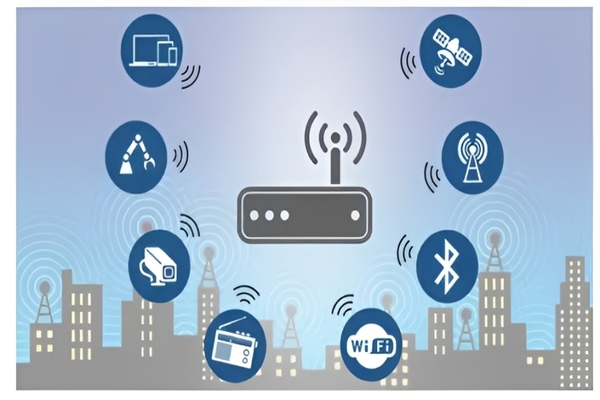
- Smart Manufacturing: Robotic arms that self-adjust on production lines.
- Healthcare: Remote surgical systems and wearable health-monitoring devices that can automatically administer medication when necessary.
- Transportation: Autonomous vehicles and urban traffic coordination systems designed to reduce congestion.
- Energy: Smart Grids that automatically balance loads and integrate renewable energy sources.
Security Vulnerabilities and Challenges in CPS
Because CPS interacts directly with the physical world, security vulnerabilities can lead to catastrophic consequences:
- Sensor Attacks: Manipulating input data, causing the system to make incorrect decisions.
- Denial of Service (DoS): Disrupting connectivity so the system cannot be controlled in a timely manner.
- Malware: Gaining control over physical devices to cause structural or infrastructural damage.
- Legacy System Obsolescence: Many older industrial machines were not designed to withstand modern cyber threats.
Strong Security Measures for CPS
Protecting Cyber-Physical Systems requires a multi-layered approach:
- Data Encryption: Ensuring that information transmitted between sensors and servers is not intercepted.
- Multi-Factor Authentication (MFA): Preventing unauthorized access to system control panels.
- Network Segmentation: Separating industrial control networks from standard office networks.
- Fail-safe Configuration: Ensuring that if the software fails, the physical system automatically reverts to a safe state.
Methods to Enhance CPS Security
Beyond technical measures, organizations should implement management-based methods:
- Continuous Monitoring: Utilizing AI to detect anomalous behavior within the system.
- Regular Patch Updates: Always ensuring control software is running the latest version.
- Penetration Testing: Hiring security experts to identify vulnerabilities before hackers can find them.
Comparison: Physical Servers vs. Cloud Servers in CPS
In a CPS, choosing where to store and process data is crucial:
| Criteria | Physical Server | Cloud Server |
|---|---|---|
| Latency | Very low, ideal for instantaneous response. | Certain latency due to internet transmission. |
| Cost | Large initial investment, high maintenance costs. | Pay-as-you-go model. |
| Scalability | Difficult, requires purchasing additional hardware. | Flexible, can scale within minutes. |
| Security | Full physical control. | Dependent on the Cloud service provider. |
Note: The current trend is to use Edge Computing to combine the advantages of both.
The Future of Cyber-Physical Systems
The future of CPS is closely tied to the explosion of Artificial Intelligence (AI) and 5G/6G networks. We will witness:

- Fully Autonomous Systems: No human intervention required in harsh environments.
- Digital Twins: Every physical entity will have a 100% accurate digital counterpart for simulation and testing.
- Human-Machine Collaboration: Collaborative robots (Cobots) working safely alongside humans.
Frequently Asked Questions (FAQ) about CPS
- Is CPS the same as Industrial Automation?
CPS is broader than automation. Automation usually follows pre-set scripts, whereas CPS has the capacity to learn and adapt to changing situations.
- Which industries benefit most from CPS?
Manufacturing, Healthcare, and Energy are the three leading sectors in CPS adoption.
- Why is CPS security harder than traditional IT security?
Because a failure in a CPS can lead to human casualties or damage to expensive physical equipment, rather than just data loss.
We hope this article has provided you with an insightful and detailed look into Cyber-Physical Systems. If you need to build a deployment or security strategy for your system, start by evaluating your current infrastructure today.
