


In the context of a rapidly growing market, the demand for fresh food, pharmaceuticals, vaccines, and other temperature-sensitive products is increasing, making it extremely important to ensure product quality throughout transportation and storage. The Cold Chain IoT Solution has been developed to meet this need by combining IoT technology with the cold supply chain to monitor, manage, and optimize the entire process. This article will provide an in-depth analysis of the Cold Chain IoT Solution, its operational processes, practical applications, and the benefits that businesses can gain.
What is a Cold Chain IoT Solution?
A Cold Chain IoT Solution involves applying Internet of Things (IoT) technology to manage the cold supply chain, enabling the monitoring of temperature, humidity, location, and other critical product parameters throughout transportation and storage. Through IoT sensors, data from storage and transportation environments are collected and transmitted to a central management system, allowing businesses to control product quality in real time.

Key Components of a Cold Chain IoT Solution
- IoT Sensor Devices: These include temperature sensors, humidity sensors, GPS tracking devices, and more, installed on transport vehicles, cold storage facilities, or product packaging.
- Data Management Platform: Software that receives and analyzes data from the sensors, issuing alerts when temperature or storage conditions deviate from acceptable standards.
- User Interface: An intuitive dashboard that allows managers to monitor the entire supply chain from a computer or mobile device.
Why Businesses Need a Cold Chain IoT Solution
- Ensures the safety of food and pharmaceutical products.
- Reduces losses caused by product spoilage.
- Increases operational efficiency and warehouse management.
- Complies with strict regulations for transporting and storing temperature-sensitive goods.
Operational Process of the Cold Supply Chain
The cold supply chain is a closed-loop system covering production, storage, transportation, and distribution of products that require low-temperature preservation. Efficient operation of a cold chain requires continuous and precise monitoring throughout the entire process.

Data Collection from Sensors
IoT devices continuously monitor temperature, humidity, light, and other environmental conditions in real time. This data helps detect potential issues early, such as high temperatures, equipment malfunctions, or refrigerant leaks.
Data Processing and Alerts
Sensor data is transmitted to a central management system, where the IoT software analyzes the information and issues alerts when deviations from the set standards are detected. This allows timely interventions to protect product quality.
Reporting and Analysis System
The collected data is stored and analyzed over time, generating detailed reports that help businesses evaluate operational efficiency, forecast demand, and optimize the supply chain process.
Application of IoT in Cold Chain Management
IoT not only enables monitoring but also optimizes the entire cold chain operation. With continuous connectivity and real-time data collection, businesses can make informed decisions, minimize risks, and improve overall efficiency.
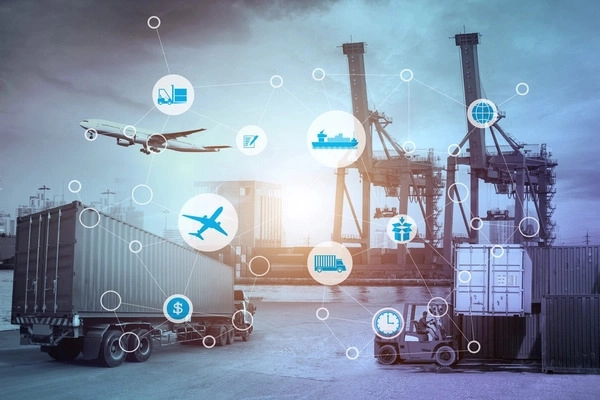
- Monitoring Warehouses and Transport Vehicles: IoT sensors installed in cold storage facilities and transport vehicles continuously track temperature and humidity, ensuring that products are always maintained under optimal conditions.
- Smart Inventory Management: Data from the IoT system provides accurate information on product quantity, location, and condition in the warehouse, helping businesses forecast demand and avoid overstocking or product shortages.
- Optimizing Transportation Routes: With GPS and real-time data, the IoT system enables optimal route planning, preventing delays, reducing fuel costs, and minimizing the risk of product damage during transportation.
Differences Between Cold Chain and Regular Supply Chain
To easily understand the differences between a cold chain and a regular supply chain, the comparison table below can be referenced:
| Criteria | Regular Supply Chain | Cold Chain (Cold Chain IoT) |
|---|---|---|
| Primary Objective | Transport and distribute products | Transport and distribute products while strictly controlling temperature and humidity |
| Environmental Control | Detailed monitoring not required | Continuous monitoring of temperature, humidity, and other environmental factors |
| Risk and Cost | Lower risk with moderate operating costs | Higher risk due to temperature-sensitive products; higher storage and operating costs. IoT helps reduce risk and optimize costs |
| Importance to Customers | Ensures on-time delivery | Ensures products maintain quality, freshness, and effectiveness, especially critical for food, pharmaceuticals, and vaccines |
Use Cases for Cold Chain IoT Solutions
Cold Chain IoT Solutions are widely applied across various industries, helping businesses enhance operational efficiency and reduce risks.
- Food Industry: Companies supplying fresh food, seafood, and dairy products use IoT to monitor temperatures in warehouses and transport vehicles, ensuring that products maintain the highest quality when reaching customers.
- Pharmaceutical Industry: Vaccines and medicines require strict temperature control. IoT helps monitor and send alerts when temperatures exceed allowed limits, preventing product spoilage or loss of effectiveness.
- Logistics Industry: Transport companies handling temperature-sensitive goods implement IoT to manage vehicles, warehouses, and routes, minimizing the risk of damage and optimizing operational costs.
Benefits of Implementing Cold Chain IoT Solutions
Integrating IoT into the cold chain brings numerous advantages, both economically and in terms of product quality.
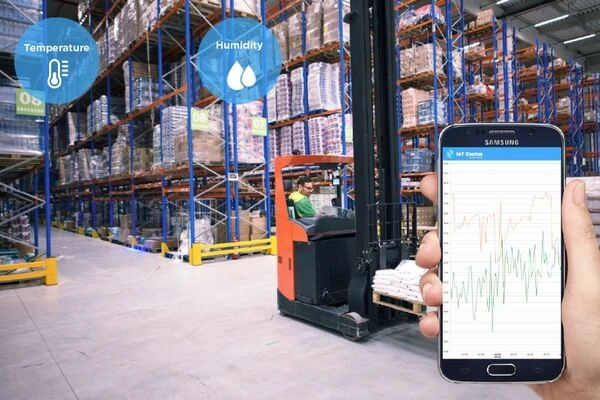
- Enhancing Product Quality: Products are consistently maintained under optimal conditions, reducing the risk of spoilage and ensuring quality and freshness when reaching consumers.
- Minimizing Loss and Waste: Real-time data allows for the early detection of issues, preventing product loss and waste.
- Optimizing Operational Costs: Monitoring and analyzing data helps businesses plan operations efficiently, reducing energy, fuel, and warehouse management costs.
- Improving Customer Experience: Customers receive high-quality products, increasing trust and satisfaction, which in turn enhances brand reputation.
Frequently Asked Questions About Cold Chain IoT Solutions
- Is it difficult to implement a Cold Chain IoT Solution?
Implementation requires investment in sensor devices, a management platform, and staff training. However, today’s businesses can choose turnkey solutions from reputable providers, making deployment much easier.
- Is the investment cost high?
Initial investment may be significant, but it delivers long-term benefits by reducing losses, optimizing operations, and improving product quality.
- Which businesses are suitable for Cold Chain IoT Solutions?
The solution is suitable for businesses involved in manufacturing or distributing food, pharmaceuticals, vaccines, and other temperature-sensitive products during transportation and storage.
- Can IoT integrate with existing management systems?
Most current IoT platforms support integration with ERP, WMS, and other management systems, allowing businesses to leverage existing data and enhance management efficiency.
A Cold Chain IoT Solution is an indispensable tool for managing and optimizing modern supply chains. With real-time monitoring, alerts, and data analysis, IoT helps businesses ensure product quality, reduce risks, and optimize operational costs. Implementing this solution not only improves business efficiency but also enhances customer experience and strengthens brand reputation in an increasingly competitive market.
