


In the era of Industry 4.0, transitioning from bulky physical server systems to flexible environments is no longer an option-it is a mandatory requirement. Cloud Application Development is becoming the heart of every technology strategy, helping businesses optimize resources and reach the market faster than ever before.
What is Cloud Application Development?
Cloud application development is the process of building software that runs on cloud computing platforms instead of being installed directly on personal computers or local servers. These applications leverage the processing power, storage capabilities, and integrated services of providers such as AWS, Google Cloud, or Microsoft Azure.
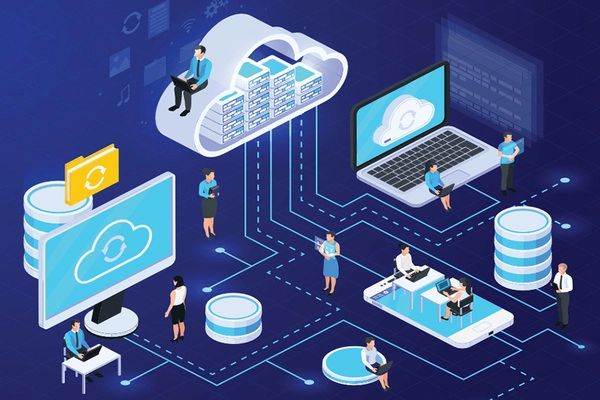
The core difference of cloud applications lies in their distributed nature. Instead of relying on a single piece of hardware, these applications are designed to operate smoothly across multiple network nodes, allowing users to access data from anywhere, at any time, with just an internet connection. This requires developers to adopt a microservices-oriented system design mindset and robust API integration capabilities.
The Current State of Cloud Applications
The world is witnessing a massive “migration” to the cloud. According to the latest statistical reports, over 90% of global enterprises already use at least one cloud service in their business operations. From small startups to multinational corporations, the cloud is not just a place for data storage but also a “foundry” for developing breakthrough products.
In Vietnam, this trend is also booming across sectors such as Finance (Fintech), E-commerce, and Online Education. Adopting the cloud helps domestic enterprises remove telecommunications infrastructure barriers, allowing them to compete on equal footing with international rivals. However, this development also comes with stricter requirements regarding technical expertise and information security.
Benefits of Cloud Application Development
Why are businesses willing to invest substantial budgets in cloud application development? The answer lies in the superior economic and operational values that traditional models simply cannot match.

- Cost Efficiency: Businesses no longer need to invest billions in physical server systems, cooling rooms, or hardware maintenance teams. Instead, they operate on a Pay-as-you-go basis, paying only for the resources they actually consume.
- Infinite Scalability: When user traffic spikes, you can upgrade resources with just a few clicks or set up Auto-scaling to handle the load automatically.
- Faster Time-to-Market: With readily available cloud-native tools, the programming, testing, and deployment processes (CI/CD) occur many times faster.
- Disaster Recovery: Data is backed up across multiple geographically diverse data centers, ensuring High Availability even in the event of natural disasters or localized technical failures.
Pros & Cons of Cloud Applications
Every technology is a double-edged sword. Understanding both the advantages and disadvantages helps managers maintain an objective perspective to make informed investment decisions.
Advantages: In addition to the benefits mentioned above, cloud applications foster remote collaboration. Teams can work together on the same platform regardless of different time zones. Real-time data synchronization minimizes errors and enhances consistency across the organization.
Disadvantages: The greatest challenge is the total dependence on an Internet connection. Without a network, the application is rendered virtually useless. Furthermore, data security and privacy remain major concerns, as businesses must place their trust in a third party (the cloud service provider). Finally, costs can become difficult to control if the system is not strictly configured and monitored.
Types of Cloud Applications
To gain a deeper understanding of the development process, we need to classify cloud applications based on the service models they provide. There are three most popular models today: SaaS, PaaS, and IaaS.
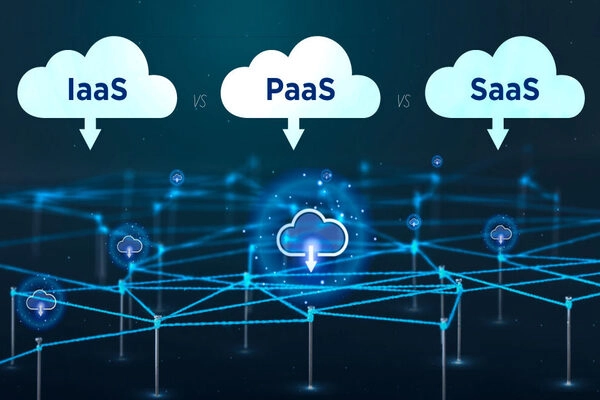
SaaS – Software as a Service
SaaS is the most accessible model for end-users, where software is provided as a complete package over the internet. Businesses simply need to log in and use the application directly in their web browser without worrying about source code maintenance or complex backend infrastructure management. Familiar names like Google Drive, Microsoft 365, and Slack are clear testaments to the convenience of this model.
PaaS – Platform as a Service
While SaaS is for users, PaaS is a “paradise” for developers. This model provides a comprehensive ecosystem, ranging from frameworks to programming tools, to build and deploy applications rapidly. Here, the provider handles the entire operating system and server layers, freeing developers from the burden of hardware management so they can focus entirely on creative coding and data optimization.
IaaS – Infrastructure as a Service
IaaS offers the highest level of freedom by providing raw computing resources such as virtual servers, storage space, and network bandwidth. This is the ideal choice for businesses that want full control over their system architecture while eliminating the costs of operating bulky physical hardware. With IaaS, you can flexibly configure and scale your infrastructure according to the actual needs of the project.
Cloud Application Development Process
Building a cloud-based application requires a rigorous and systematic process to ensure stability and security.
- Requirements Analysis: Define the objectives, target audience, and essential features.
- Cloud Model Selection: Decide whether to use a Public Cloud, Private Cloud, or Hybrid Cloud.
- Architectural Design: Choose between a traditional Monolithic architecture or modern Microservices to increase flexibility.
- Development and Integration: Utilize cloud-native tools to build the source code.
- Testing: Conduct performance, security, and load tests within the cloud environment.
- Deployment: Use containerization technologies (such as Docker and Kubernetes) to push the application to the production environment.
- Monitoring and Maintenance: Continuously track performance to resolve bugs and optimize costs.
Cloud Application Development Technologies
The success of a cloud application development project depends heavily on the “technology stack” chosen by the development team. A robust system requires a perfect synergy between the user interface and the underlying logic.
Front-end
Front-end technologies for cloud applications must ensure high responsiveness and multi-device compatibility. The most popular frameworks include React.js, Angular, and Vue.js. These tools help create smooth interfaces and optimize user experience, even when network bandwidth is unstable.
Back-end
This is the “brain” of the application, where data is processed and connections to cloud services are managed. Node.js, Python (Django/Flask), Go, and Java are leading languages due to their asynchronous processing capabilities and excellent support for web services. Additionally, the use of cloud databases like MongoDB (NoSQL) or PostgreSQL (SQL) plays a pivotal role.
Challenges in Cloud Application Development
Despite the numerous benefits, the transition to the cloud is not always a bed of roses. Businesses often encounter technical and managerial “black holes.”

The primary challenge is Data Security. Storing sensitive information on third-party servers demands extremely rigorous data encryption and Identity and Access Management (IAM) measures. Next is the issue of Regulatory Compliance, particularly in the finance and healthcare sectors, which have strict regulations regarding physical data residency. Additionally, Team Training poses a difficult problem; as cloud technology evolves daily, engineers must continuously update their knowledge.
Frequently Asked Questions about Cloud Applications
Below is a summary of the most common concerns businesses face when embarking on this journey.
- Are cloud applications more secure than traditional ones? In reality, major cloud providers like AWS or Azure invest billions of dollars in security, often making them much safer than self-managed servers in small businesses. However, security ultimately depends on how you configure your system.
- How much does cloud application development cost? There is no fixed price. The cost depends on the complexity of the features, expected user traffic, and the service model (SaaS, PaaS, or IaaS) you choose.
- How long does it take to migrate a legacy system to the cloud? Depending on the data volume and existing architecture, this process can take anywhere from a few weeks to several months. Using a “Lift and Shift” strategy (migrating as-is) is faster but less optimal than rebuilding with a Cloud-native standard.
Cloud application development is not just a technical trend but a strategic lever that helps businesses adapt to market volatility. We hope this article has provided you with a comprehensive overview to begin your journey of conquering the digital sky.
