


Blockchain technology is becoming a crucial foundation in the digital era, extending far beyond cryptocurrencies into business, government, healthcare, education, and even IoT. With its transparency, high-level security, and strong automation capabilities, Blockchain applications are reshaping how organizations operate and how people interact with data. This article will guide you through the full picture of the value that Blockchain brings.
Blockchain Applications in Daily Life and Business
Blockchain is no longer limited to digital currencies like Bitcoin; it has evolved into an innovative platform powering a wide range of industries. With core features such as decentralization, transparency, immutability, and automated workflows enabled by smart contracts, Blockchain applications are driving significant transformation in business operations and enhancing the way users engage with digital services.
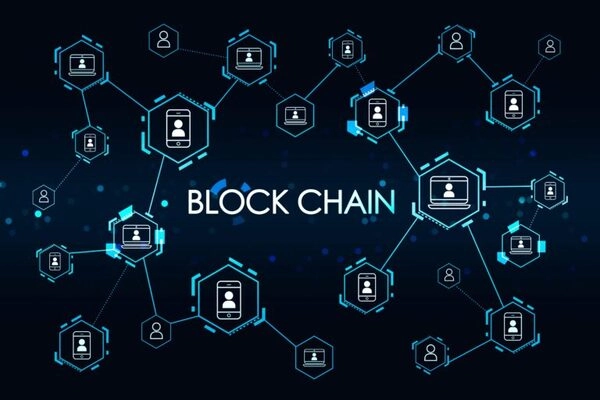
Outstanding benefits such as reduced operational costs, higher reliability, and faster processing have made Blockchain increasingly widely adopted. The following sections highlight the key aspects shaping Blockchain’s role in both daily life and the workplace.
The Role of Blockchain in Securing IoT Systems

- An increasing number of IoT devices are being deployed across factories, smart cities, and households.
- These devices generate massive amounts of data and remain constantly connected, making them vulnerable to attacks if not properly secured.
- Blockchain enhances IoT security through decentralized data storage and device authentication.
- This technology prevents unauthorized data modification and reduces the risk of system breaches.
- When IoT and Blockchain are combined, systems become more stable and can automate many processes in the future.
Below are the sectors that benefit significantly from the integration of these two technologies.
Common Areas of Blockchain Application
Thanks to its transparency and immutability, Blockchain is being applied across many critical sectors, including finance, healthcare, education, agriculture, and IoT. Each industry leverages Blockchain’s unique capabilities to improve operational efficiency, enhance security, and strengthen system interoperability. Here are the most notable application areas.
Finance and Banking
The financial sector is one of the earliest adopters of Blockchain. This technology shortens transaction times, reduces intermediary costs, and increases transparency in financial activities. Blockchain also enables fast cross-border payments without relying on multiple traditional banking intermediaries.
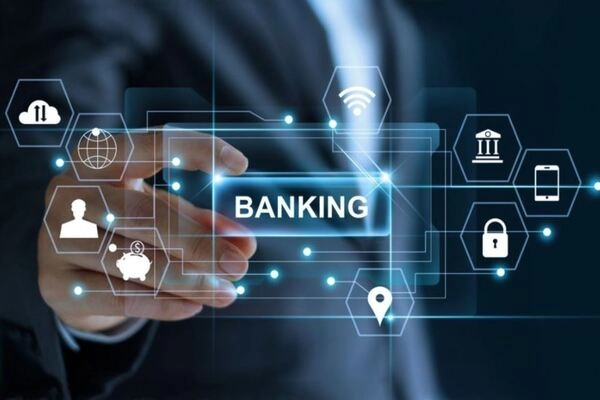
In addition, smart contracts help automate processes such as disbursement, escrow, and risk management. Banks also leverage Blockchain for customer identity verification (KYC), fraud prevention, and improved transaction traceability.
Government and Public Administration
Many countries are adopting Blockchain to build transparent e-government systems. Data related to land, property, population, and public finance recorded on Blockchain helps reduce corruption and increase trust.
One notable application is Blockchain-based electronic voting. With immutability and transparency, every ballot can be verified, minimizing fraud and strengthening public confidence.
Healthcare and Medical Services
In the healthcare sector, data security and medical record sharing are major challenges. Blockchain enables secure storage of patient records, allowing medical institutions to access accurate, tamper-proof information. This reduces medical errors and optimizes treatment processes.

Blockchain also enhances pharmaceutical supply chains by preventing counterfeit drugs and ensuring every medical product has a verified origin. Additionally, it enables efficient tracking of medical equipment and better allocation of resources.
Retail and Commerce
In retail, Blockchain makes it possible to trace product origins from the manufacturer to the consumer—especially valuable for luxury goods or items prone to counterfeiting. It is also applied in loyalty programs, providing transparent reward management and reducing fraud. Businesses can use smart contracts to automate promotions and customer incentives.
Logistics and Supply Chain
Supply chains involve numerous stakeholders and complex workflows. Blockchain records the movement of goods in real time, ensuring transparency and strong traceability. With this technology, companies can significantly reduce losses, counterfeits, and misinformation. Blockchain also supports automated shipping contracts, enabling faster processing of tasks such as payments and delivery confirmation.
Education
In education, diploma and certificate forgery is a common issue. Blockchain enables storing academic records and issuing tamper-proof credentials, making it easier for employers to verify qualifications. Online learning platforms can also use Blockchain to manage content, control access rights, and ensure transparency in tuition payments.
Integration with IoT
When IoT is combined with Blockchain, devices can authenticate themselves and exchange data securely. The distributed structure and multi-layer verification significantly reduce the risk of cyberattacks. Common applications include smart factories, traffic monitoring systems, autonomous vehicles, and energy management in smart homes. Smart contracts even allow devices to operate automatically without human intervention.
Cybersecurity
Cybersecurity is one of the fields where Blockchain demonstrates its strongest advantages. Instead of storing data on a centralized server that is vulnerable to attacks, Blockchain distributes information across multiple nodes, making it far more difficult for hackers to compromise the entire system.
Farmers can also use Blockchain to access data on weather, soil conditions, and crop forecasts. Smart contracts help automate payments in agricultural trading.
Blockchain-based social networks
Traditional social networks collect user data and are vulnerable to data leaks. Blockchain enables a decentralized social network model, giving users full control over their personal information.
Users can earn rewards for posting, sharing content, or interacting, creating a fairer and more transparent ecosystem.
Smart agriculture
In agriculture, Blockchain records the entire process of cultivation, harvesting, packaging, and distribution, allowing consumers to verify product origins transparently.
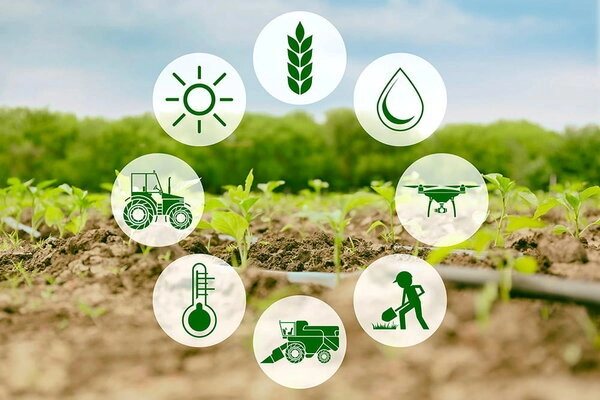
With Blockchain in smart farming, farmers can also access weather and soil data and forecast crop yields. Smart contracts help automate payments in agricultural transactions.
Frequently Asked Questions about Blockchain Applications
- Is Blockchain only used for cryptocurrencies?
No. While cryptocurrencies are the most well-known application, Blockchain is also used in government, healthcare, education, logistics, IoT, and many other fields.
- Is implementing Blockchain expensive?
It depends on the goals and scale. Many open-source Blockchain platforms allow small businesses to implement it at a low cost.
- Can Blockchain be hacked?
Blockchain systems are very difficult to hack due to their decentralized structure and encryption. However, surrounding applications still need proper security measures.
- Is Blockchain suitable for small businesses?
Yes. Increasingly, simple and easy-to-deploy Blockchain solutions are available for SMEs.
- What is the future of Blockchain applications?
Blockchain will continue to grow strongly in finance, IoT, digital government, and supply chains, becoming a key platform for global digital transformation.
Blockchain has demonstrated its power across multiple sectors, from finance and healthcare to agriculture and cybersecurity. With its transparency, security, and high efficiency, Blockchain applications will continue to expand, especially when integrated with IoT and emerging technologies. This is the ideal time for businesses and organizations to seize the opportunity and leverage Blockchain to enhance competitiveness in the era of digital transformation.
