


In the era of digital transformation, owning a mobile application or management software is no longer just a competitive advantage—it has become a mandatory requirement. However, many businesses mistakenly believe that the work is finished once the “go-live” phase is successful. In reality, the lifecycle of a technology product truly begins only after its launch. To ensure an application operates smoothly, remains bug-free, and constantly meets the ever-changing needs of users, Application Maintenance & Support plays a vital role. This article will provide a comprehensive look at this process, from core concepts to effective execution.
1. What is Application Development?
Application development is not merely about typing dry lines of code. It is a creative and complex technical process aimed at solving a specific user problem or optimizing business operations. To better understand the foundation before entering the maintenance phase, we need to consider the core aspects that constitute the development process.
Software Development Life Cycle (SDLC)
Every successful application passes through a Software Development Life Cycle (SDLC). This process begins with requirement gathering, feasibility analysis, UI/UX design, and programming, through to testing. Each stage requires close coordination between stakeholders to ensure the final product aligns with original expectations.
Platform and Technology Selection
Depending on the objective, businesses can choose to develop Native apps (specifically for iOS or Android), Hybrid apps, or Web Apps. The choice of the technology stack (such as React Native, Flutter, or Java/Swift) will determine the scalability and the cost of Application Maintenance & Support in the future.
2. What is Application Maintenance & Support?
If application development is building a house, then Application Maintenance & Support is the cleaning, plumbing repair, and interior upgrading that keeps the house livable. This is a collection of activities aimed at ensuring the software operates stably in a real-world environment.
The Concept of Software Maintenance
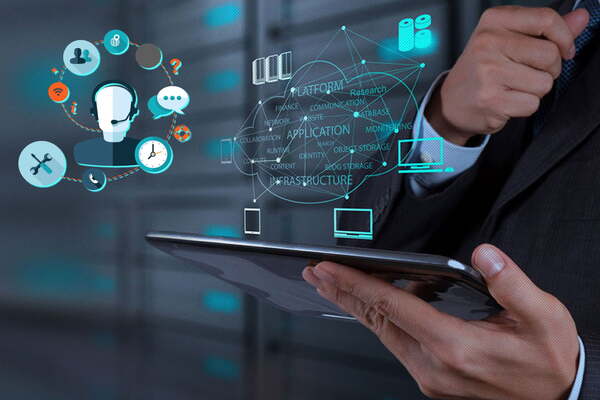
Maintenance is the process of fixing bugs, optimizing performance, and adjusting the application to adapt to new environments (for example, updating to a new operating system). It helps eliminate “technical debt” accumulated during rapid development and ensures the system does not become obsolete.
Application Support Services
Application support focuses on the user aspect. This includes answering inquiries, immediate incident management, and user guidance. Support is typically divided into tiers (L1, L2, L3) depending on the complexity of the technical issue.
The Difference between Maintenance and Support
Although they often go hand-in-hand, maintenance leans toward the technical “backstage” and source code, while support leans toward the “frontline” of user interaction and handling daily issues. Together, they form an ecosystem that protects the health of the application.
3. Benefits of Application Development and Maintenance
While investing in initial development is essential, maintaining a budget for Application Maintenance & Support is the real way to protect that investment. Executing both phases effectively delivers strategic benefits that no business can afford to ignore.
- Optimizing User Experience (UX): Nothing drives users away faster than bugs or slow loading speeds. Routine maintenance helps detect bottlenecks early and ensures the interface remains smooth, thereby increasing the customer retention rate.
- Ensuring Security and Data Privacy: New security vulnerabilities are discovered every day. Through maintenance, security patches are updated promptly, protecting the sensitive information of both the business and its customers against increasingly sophisticated cyberattacks.
- Minimizing Long-term Costs: Many businesses are hesitant to spend money on monthly maintenance, but the cost to rescue a completely crashed system or a data breach is many times higher. Preventive maintenance helps identify issues while they are small, preventing “cracks” from spreading into a disaster.
4. Best Practices for Application Development and Maintenance
To achieve optimal efficiency, technical teams cannot work based on intuition alone. International methodologies are required to standardize the development process as well as Application Maintenance & Support.
Implementing Agile and DevOps Models
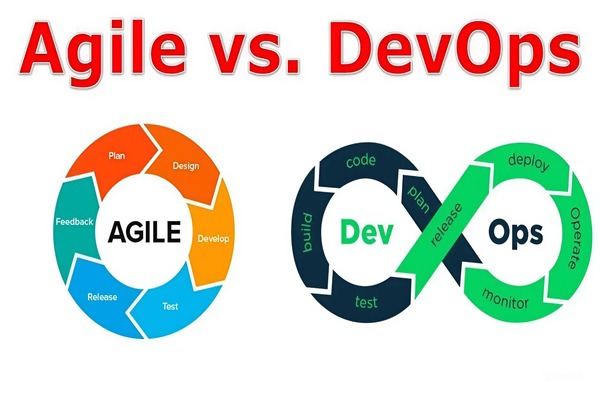
Agile enables flexible development by breaking stages down for rapid feedback. Meanwhile, DevOps bridges the gap between the development team (Dev) and the operations team (Ops), making the deployment of maintenance updates automated and less prone to human error.
Automation Testing
Instead of manually checking every feature after each update, building a suite of automated test scripts saves time and ensures that existing features do not break when new ones are added (Regression Testing).
System Documentation
One of the biggest mistakes is failing to save technical documentation. Clearly recording the code structure, APIs, and business logic allows the Application Maintenance & Support team to easily take over and resolve issues without having to “grope in the dark” from scratch.
5. Tips for Effective Application Maintenance & Support
How can you prevent the maintenance process from becoming a burden for the IT team? Below are practical secrets to optimize Application Maintenance & Support, helping your business operate more smoothly.
- Establishing 24/7 Monitoring Systems: Use monitoring tools such as New Relic, Datadog, or Firebase Crashlytics to receive instant notifications the moment an application shows signs of slowing down or crashing. Don’t wait until customers complain to start fixing the problem.
- Prioritizing Support Requests: Not all bugs carry the same level of severity. Categorize them based on their impact: critical errors affecting payments must be handled immediately (P1), while minor display glitches can be addressed later (P3). This helps in allocating human resources rationally.
- Periodic Collection of User Feedback: Users are the best “testers.” Integrate evaluation tools directly within the app to understand where they are facing difficulties. This feedback provides valuable data for planning maintenance and perfecting features.
6. The Future of Application Maintenance & Support
The world of technology is constantly shifting with the advent of AI and Cloud Computing. The Application Maintenance & Support industry is also transforming powerfully to adapt to new trends, promising breakthrough changes in how we operate software.
- Predictive Maintenance with Artificial Intelligence (AI): In the near future, AI will be capable of predicting when a server will become overloaded or which code segment is at risk of causing an error based on historical data. Instead of reactive maintenance (fixing things when they break), we will shift toward predictive maintenance (fixing things before they break).
- The Shift to Cloud-Native: The maintenance of physical server systems is gradually fading into the past. Modern applications built on Cloud platforms make upgrading, scaling resources, and backing up data easier and faster than ever before.
- The Rise of No-code and Low-code: The popularity of low-code platforms will change how we support applications. Simple interface adjustments or logic changes can be performed by business users without waiting for the IT team to intervene in the source code.
Application Maintenance & Support is not a bothersome overhead cost, but a strategic investment to maintain the vitality of a business in the eyes of its customers. A well-cared-for application will bring trust, stability, and sustainable profits.
