



In today’s digital era, owning a mobile application is no longer a privilege reserved for large corporations. However, the biggest question every business faces when starting a project is: What is the actual application development costs? Gaining a clear understanding of the figures and the factors that comprise value will help you optimize your budget and ensure the highest Return on Investment (ROI).
What is App Development?
App development is the process of designing, building, and deploying software that runs on platforms such as mobile (iOS, Android) or web to meet the specific needs of users or businesses. Applications can serve various purposes: e-commerce, education, entertainment, internal management, customer care, and more.

This process involves more than just writing source code; it also encompasses requirements analysis, UI/UX design, testing, maintenance, and upgrades. Consequently, app development costs are usually a significant investment that requires careful calculation.
Factors Influencing Application Development Costs
The cost of developing an app depends on several factors, including:
- Feature Complexity: The more functions an app has (login, online payments, AI integration, maps, etc.), the higher the cost.
- Development Platform: Developing for iOS, Android, or both will directly impact the price.
- UI/UX Design: A beautiful, user-friendly, and professional interface requires substantial time and effort from designers.
- Development Team: The cost of hiring developers, testers, and project managers varies significantly across different countries.
- Timeline: Projects that need to be completed urgently will incur additional labor and management costs.
- External Technology Integration: APIs, payment systems, chatbots, and AI all contribute to increased costs.
Application Development Costs Standards
To give you the most comprehensive overview, we categorize budgets based on project scale. Please note that these figures are average estimates for the international and Vietnamese markets in 2026.

- Hourly Rates: Software companies typically charge based on the number of hours developers work on the project.
- Service Packages: Some agencies offer fixed-price development packages (e.g., Basic, Standard, Premium).
- Feature-based Costs: Each main feature within the app has its own price point, which is then added up to form the total cost.
- Geographical Location: For instance, hiring developers in the US can be 3–5 times higher than in Vietnam or India.
App Maintenance Costs
Many businesses mistakenly believe that a one-time payment is sufficient. In reality, app development costs always come with annual maintenance fees to ensure the app does not become obsolete or encounter technical glitches.
- OS Updates: Every year, Apple and Google release new iOS and Android updates. If the source code isn’t updated, your app’s interface may break or stop functioning entirely.
- Bug Fixes and Security: No application is 100% perfect. It is normal to discover bugs once real users start using the app, and you need a budget for the technical team to handle these promptly.
- Server and API Fees: Costs for cloud data storage (AWS, Google Cloud, Azure) and licensing fees for third-party services (such as OTP messaging or Google Maps) are fixed monthly expenses.
App Development Process
A standardized process not only helps control app development costs but also ensures the quality of the final output. At professional firms, this process is typically divided into five main stages:
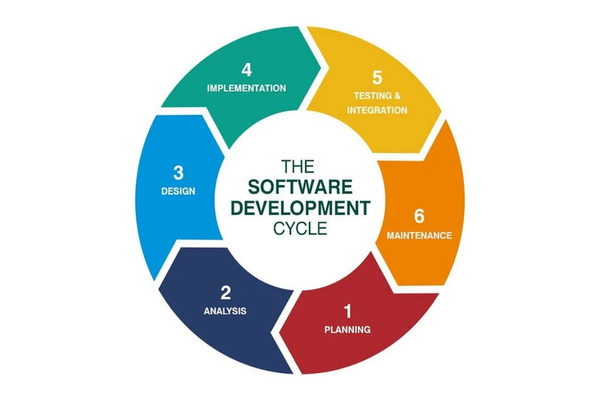
- Analysis and Planning Phase: This is the most critical stage to avoid unforeseen costs later on. Experts provide consultancy on features and business models, and create detailed technical specification documents.
- UI/UX Design Phase: Creating wireframes and complete visual designs. This stage allows you to clearly visualize how the app will look and feel before any code is written.
- Development Phase: Programmers begin building the Front-end and Back-end. The Agile methodology is commonly used so you can track progress on a weekly basis.
- Testing Phase (QA/QC): The testing team runs the app on various devices to ensure there are no critical bugs before it hits the App Store shelves.
Technology Stacks in App Development
Choosing the right technology “stack” can save you a significant amount of money in the long run. The more popular the technology, the easier it is to find talent and perform maintenance.
- Cross-platform Frameworks (Flutter, React Native): These are the top choices for businesses looking to save costs. With a single codebase, the app can run smoothly on both iOS and Android.
- Back-end and Databases: Utilizing Node.js, Python, or Go, combined with databases like PostgreSQL or MongoDB, ensures the system operates smoothly and scales easily as user numbers grow.
- Emerging Technologies (AI and Blockchain): In 2026, integrating intelligent chatbots or cryptocurrency payments is becoming the new standard, requiring a highly skilled development team.
Key Considerations When Choosing a Development Company
Ultimately, choosing the right partner determines 80% of the project’s success. The cheapest company is not necessarily the best choice if they cannot deliver the product on time.

- Check the Portfolio: Review their previous projects to see if they align with your idea. Do not hesitate to download and test the apps they have built to evaluate the actual user experience.
- Evaluate Communication Processes: Transparency is key. Choose a partner with a clear reporting process that uses modern project management tools like Jira or Trello.
- Contract and Source Code Ownership: Ensure the contract explicitly states that you own 100% of the source code upon project completion. This prevents you from being locked into a single provider in the future.
Investing in app development is a strategic move. While the initial figures may require careful consideration, a high-quality app will deliver sustainable revenue and a strong competitive edge in the market.
