



In an era of rapid digital transformation, Blockchain is no longer a foreign concept solely associated with cryptocurrencies. It is gradually becoming the backbone of global technological infrastructure. Understanding the future of Blockchain not only helps businesses seize opportunities but also allows us to reimagine how the world will operate in the coming decades.
What is the future of Blockchain?
The future of Blockchain goes far beyond financial transactions or the fleeting NFT craze. It is an evolutionary roadmap from the “Internet of Information” to the “Internet of Value.” In the future, Blockchain will serve as the foundational protocol layer, enabling the transfer of assets and data to be transparent, secure, and without the need for third-party intermediaries.

This development is driven by the convergence of several factors: network scalability, the refinement of legal frameworks, and the urgent need for data security. We are moving towards an era where Blockchain operates “invisible” beneath everyday applications, similar to how the TCP/IP protocol works today. People will use services running on decentralized platforms without necessarily understanding how they work, but still benefit from absolute security and data integrity.
Predicting Upcoming Blockchain Trends
To gain a more concrete view of the future, we need to delve into specific areas. Blockchain technology is penetrating every aspect of life, from how governments manage populations to how we access healthcare or consume advertising. Below are detailed predictions about the practical application trends of this technology in the near future.
Applications in Cybersecurity
In the context of increasingly sophisticated cyberattacks, Blockchain has emerged as a powerful security “shield.” Instead of storing data centrally on a single server—which is a vulnerable target for hackers—Blockchain distributes data across thousands of different network nodes.

In the future, this technology will be used to securely authenticate digital identities (Digital ID). Users will have full ownership of their personal data and only grant access when necessary, without the fear of leaks. Additionally, the “immutability” feature of Blockchain helps prevent the alteration of data history, creating a more trusted Internet environment where malware and DDoS attacks can hardly paralyze the entire system.
Applications in Government
E-government is one of the most important destinations for the future of Blockchain. The application of distributed ledgers will help increase the transparency of public administrative processes, reduce corruption, and save operating costs for the state apparatus.
A typical application is the electronic voting system. With Blockchain, each vote is encrypted and recorded permanently, completely eliminating the possibility of fraud or result manipulation. Furthermore, managing land records, issuing business licenses, and managing citizen identification on Blockchain platforms will help shorten waiting times for citizens from weeks to just seconds, creating a more efficient and equitable society.
Applications in Finance and Banking
Finance has always been the most fertile “land” for Blockchain. However, the future of this industry is not just about Bitcoin. We are witnessing the rise of Decentralized Finance (DeFi) and Central Bank Digital Currencies (CBDC).
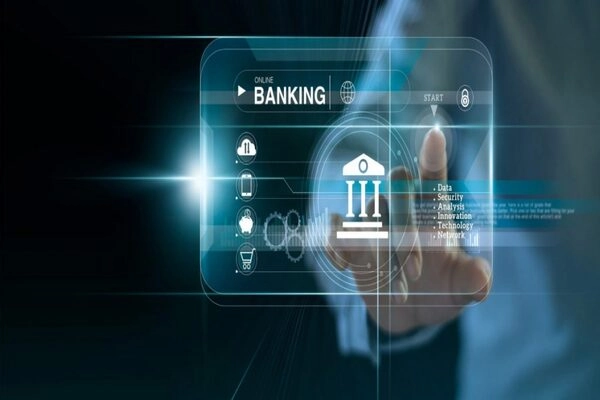
Traditional banking systems, with their cumbersome intermediary procedures and expensive international transfer fees, will be replaced by smart contracts. Lending transactions and cross-border payments will occur instantaneously with fees near zero. Blockchain helps eliminate counterparty risk and enables people in unbanked regions to access modern financial tools using only a smartphone.
Applications in Healthcare
The healthcare industry is facing major challenges regarding medical record management and patient information security. Blockchain provides a unified medical record management solution while still ensuring privacy.
In the future, each individual will own a unique “health chain.” When you visit any hospital in the world, doctors can access your medical history (with your permission) quickly and accurately. Additionally, Blockchain plays a vital role in pharmaceutical traceability, helping to prevent counterfeit drugs—a crisis that threatens millions of lives every year.
Applications in Marketing
The marketing and digital advertising industry is undergoing a crisis of trust regarding data and transparency. The future of Blockchain in this field lies in returning control to consumers and providing real value to advertisers.
Blockchain technology helps eliminate bot-induced advertising fraud by verifying real user views and interactions. Simultaneously, the “Attention Economy” model will allow users to receive rewards (tokens) for choosing to view ads, instead of being harassed and having their data illegally collected as is currently the case. Brands will also obtain more accurate customer data through voluntary consent.
Opportunities and Challenges in the Future of Blockchain
Despite its immense potential, the path to the future of Blockchain is not entirely smooth. We are in a critical transitional phase where disruptive opportunities come with significant technical and social barriers. Understanding both sides of the issue will give investors and businesses a more realistic perspective.
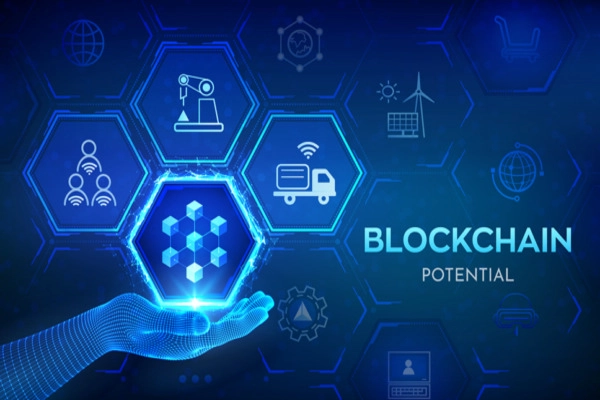
Opportunities: Blockchain opens up a new labor market and unprecedented business models. Decentralized Autonomous Organizations (DAOs) are redefining how people collaborate without centralized leadership. This presents an opportunity for developing countries to leapfrog technologically and build a robust digital economic infrastructure.
Challenges:
- Scalability: Existing blockchain networks, such as Ethereum, still struggle with processing speed when transaction volumes surge. Layer 2 and sharding solutions are being developed to address this issue.
- Regulation: The lack of a clear legal framework in many countries makes businesses hesitant to adopt this technology on a large scale.
- Energy Consumption: Consensus algorithms like Proof of Work (PoW) consume enormous amounts of energy, raising environmental concerns. However, the transition to Proof of Stake (PoS) and greener technologies is gradually overcoming this drawback.
- The cognitive barrier: Disseminating knowledge about Blockchain to the public remains a major challenge.
In short, the future of Blockchain depends on the ability to harmonize innovation with compliance with social regulations. Once technical barriers are removed, we will see Blockchain present in every aspect of the digital economy.
