



In the context of increasingly complex global security, military organizations worldwide are seeking groundbreaking technological solutions to enhance the efficiency, security, and resilience of their systems. Among these, Blockchain technology, well-known in the financial sector, is emerging as a potential revolutionary tool for the defense industry. The application of Blockchain in the military is not just a trend but a strategic step forward, promising to bring transparency, security, and high resilience to military operations.
What is Blockchain in the military?
Essentially, Blockchain in the military is not significantly different from its core definition—a decentralized, encrypted digital ledger. However, in the defense context, it is customized to meet stringent security and performance requirements.
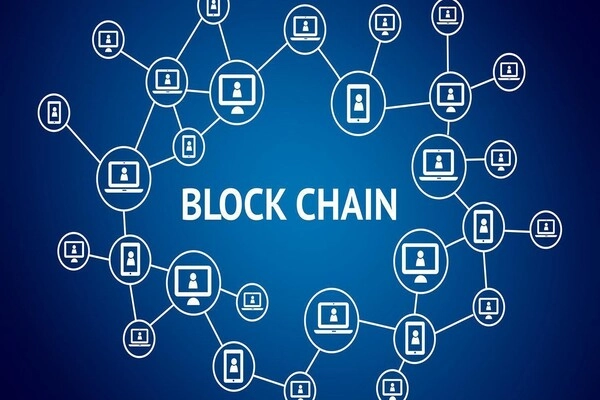
Blockchain in the military typically utilizes Private or Consortium networks rather than public ones, ensuring that only authorized users can participate, verify transactions, or access data. The objective is to create a tamper-proof and highly resilient information storage system, eliminating the risk of a single point of failure—a fatal vulnerability in cyber warfare. This establishes a foundational layer of trust that traditional military information systems struggle to achieve.
What role does Blockchain bring to the military?
Blockchain technology offers core advantages that traditional military systems often lack, playing a crucial role in modernizing and enhancing the operational capabilities of armed forces.
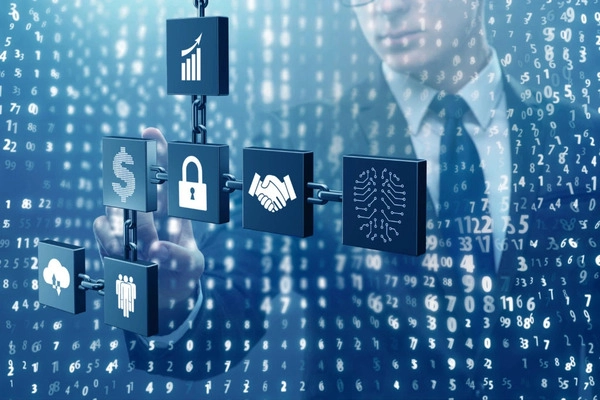
- Data Security and Integrity: Ensures that classified information is not leaked or altered, maintaining data at the highest level of security.
- Transparency and Traceability: Makes it easy to identify the origin and history of every transaction or piece of data (within controlled limits).
- High Resilience: The decentralized nature helps the system effectively withstand cyberattacks, making it difficult to compromise the entire network.
- Enhanced Operational Efficiency: Eliminates intermediary and manual processes, optimizing the speed and accuracy of missions.
Prominent Application Directions of Blockchain in the Military
With superior benefits regarding security and integrity, Blockchain in the military has been researched and tested in many critical areas. Deploying Blockchain-based solutions not only helps resolve existing issues but also opens up new possibilities for military management and operations.

Data Management
In the military environment, the processing and storage of large amounts of sensitive data is crucial. Blockchain provides a secure, decentralized platform for storing operational records, intelligence information, and strategic documents. This system ensures that this data cannot be tampered with and that only authorized users can view it, while simultaneously creating an immutable audit trail for every access or modification.
Supply Chain Management
The military supply chain is often very complex, involving the transportation and tracking of weapons, spare parts, fuel, and rations globally. Applying Blockchain helps create a transparent and immutable ledger to track every item from the manufacturer to the end-user unit. This aids in preventing counterfeiting, optimizing logistics, and ensuring the readiness of equipment.
Asset Tracking
Tracking the location, condition, and maintenance history of expensive military assets, from fighter jets to armored vehicles, is a costly and error-prone task. Blockchain allows for the creation of a unique “digital identity” for each asset. Recording all maintenance, repair, and movement data on the blockchain provides asset managers with an accurate, up-to-date, and reliable view of the readiness status of the entire arsenal.
Identity Management
In the military, verifying the identity and access privileges of soldiers, personnel, and equipment is paramount. Blockchain can be utilized to create secure and decentralized digital identities. This helps streamline login procedures, enhance security for sensitive systems, and tightly control the specific permissions of each individual regarding information and assets.
Cybersecurity
Cybersecurity is a top priority in modern defense. Blockchain can be used to build highly resilient and self-healing Peer-to-Peer (P2P) network systems. By distributing control points and encrypting information, Blockchain mitigates risks from DDoS attacks or attacks targeting centralized vulnerabilities, thereby protecting communication and command networks.
Barriers and Challenges in Deploying Blockchain in the Military Despite
Its great potential, the deployment of Blockchain in the military still faces many significant obstacles:
- Scalability: This is the biggest challenge, as decentralized Blockchain networks often have a significantly slower transaction processing speed compared to traditional centralized systems, failing to meet the demand for reaction speed in a military environment.
- Legacy System Integration Challenge: Integrating a new technology like Blockchain into obsolete military systems (legacy systems), which are already highly secured and often operate separately (air-gapped), is a complex, costly, and resource-intensive task.
- Legal and Regulatory Framework: Clear legal and regulatory frameworks need to be established to govern the use of this decentralized technology in sensitive operations, ensuring compliance with security and accountability rules.
- Training of Specialized Human Resources: The shortage of personnel with expertise in both the military domain and Blockchain technology is a barrier. Training this team is a prerequisite for ensuring efficient system operation and maintenance.
Development Prospects of Blockchain in the Military Field
The prospects for Blockchain in the military are very promising. Research and pilot projects are focusing on creating Blockchain versions optimized for the military environment, especially in areas requiring high data transparency and security, such as Artificial Intelligence and autonomous weapons.

In the near future, Blockchain will be the core platform for Smart Contracts that automate administrative and logistical processes. In the long term, it could support decentralized Command & Control systems, enhancing the resilience and reliability of multi-domain military operations. The combination of Blockchain with other technologies will be key to modernizing armed forces and maintaining strategic superiority.
Blockchain in the military is not just a future concept but is gradually becoming a strategic reality. Despite numerous technical and procedural barriers, the benefits in terms of security, integrity, and efficiency that this technology offers are undeniable. The successful integration of Blockchain will be the key to helping modern armed forces enhance cyber resilience and maintain superiority in a volatile global security environment.
