



Blockchain in logistics is emerging as a breakthrough solution that helps businesses optimize their supply chain, reduce costs, and enhance transparency in operations. With its immutable data storage capabilities, combined with AI and IoT, Blockchain provides a modern, secure, and more efficient management model. This technology not only improves transportation processes but also lays the foundation for the development of future smart logistics systems. Let’s explore it together with TECHNEST!
What is Blockchain in logistics?
Blockchain in logistics refers to the application of blockchain technology to manage, track, and control all transportation activities, from manufacturers to end customers. The technology operates on the principle of storing data in linked blocks that form an unchangeable chain once verified. This ensures transparency, integrity, and trustworthiness for all transactions within the supply chain.
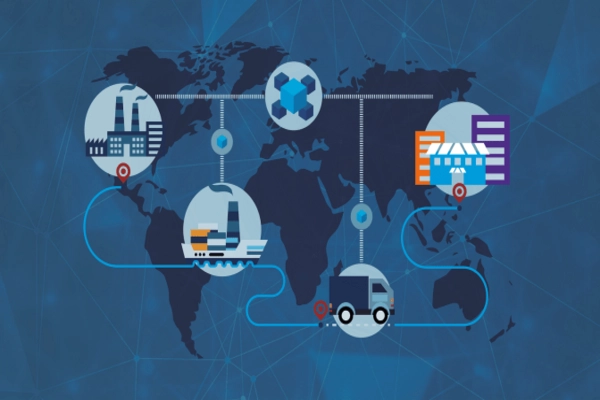
Unlike traditional systems that rely heavily on centralized data and manual paperwork, Blockchain allows all parties in the logistics chain to operate within a synchronized, secure, and intermediary-free environment. Before exploring the specific benefits of this technology, let’s take a look at how Blockchain impacts each stage of the operational process.
Benefits of Blockchain in the logistics industry
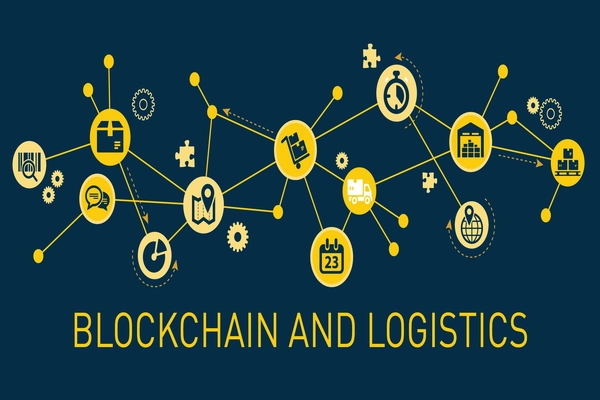
Blockchain in logistics is opening up numerous opportunities for innovation within the transportation and supply chain sectors. This technology not only helps reduce errors and accelerate information processing but also creates a reliable operating environment for businesses. Below are the key benefits that clearly highlight the role of Blockchain across different operational aspects.
Fast and accurate data verification
One of the strongest advantages of Blockchain is its ability to verify data in real time. All information related to orders, shipping documents, and warehouse conditions is recorded and distributed to all relevant parties. Thanks to its immutability, this data cannot be altered, thereby minimizing fraud and information discrepancies. This enables businesses to make faster decisions and reduce the time spent on processing paperwork.
Integration with AI and IoT for transportation monitoring
When combined with AI and IoT, Blockchain in logistics creates a comprehensive transportation monitoring ecosystem. IoT sensors continuously collect data on the location, temperature, and humidity of goods, then store it on the Blockchain. AI uses this data to predict risks such as delays or damage and to optimize transport routes. Every change is transparent and can be reviewed at any time.
Tracking the operational history of vehicles
Blockchain allows the complete recording of a vehicle’s operational history, such as maintenance frequency, fuel status, and total distance traveled. This data helps businesses assess wear and tear, predict maintenance schedules, and manage their fleet more effectively. At the same time, transparent tracking helps prevent fraud during the vehicle allocation and management process.
Vehicle-to-Vehicle (V2V) communication enabled by IoT and Blockchain
Thanks to the integration of IoT and Blockchain, transport vehicles can communicate with each other using a V2V (Vehicle-to-Vehicle) model. For example, two trucks on the same route can share data about speed, traffic conditions, and optimal routes through a secure Blockchain network. This helps reduce accidents, prevent traffic congestion, and optimize the transportation network.
Smart Contracts help reduce costs and eliminate intermediaries
Smart Contracts are a key component of Blockchain. In logistics, they automate processes such as freight payment, delivery confirmation, and document verification. The system executes automatically once predefined conditions are met, without human intervention. This allows businesses to lower operational costs, minimize errors, and save time in handling administrative procedures.
The role of Blockchain in logistics
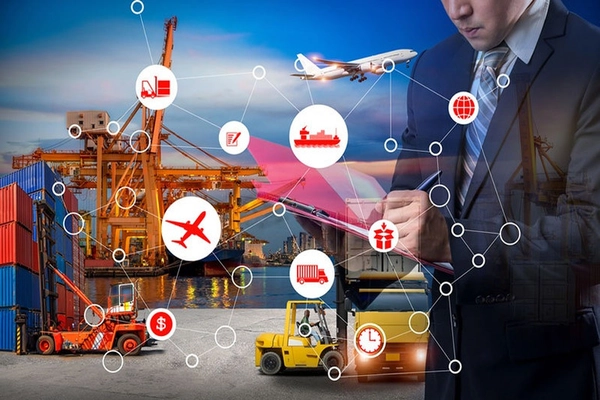
Blockchain in logistics not only provides short-term benefits but also plays a crucial role in long-term strategic development. This technology is gradually becoming a core foundation for accelerating digital transformation in businesses. Let’s explore how Blockchain supports the logistics industry across various aspects.
Enhancing competitiveness
In today’s highly competitive market, speed and accuracy are key factors for success. Blockchain helps businesses optimize processes, reduce errors, and make data transparent, thereby improving service quality. As a result, companies can compete more effectively, especially in international transportation where high transparency is essential.
Reducing operational costs
Blockchain significantly lowers costs associated with document verification, data reconciliation, warehouse management, and transportation coordination. Errors caused by unsynchronized data are eliminated, helping businesses save on correction costs and processing time.
Ensuring product traceability
One of the most prominent applications of Blockchain in logistics is product traceability. From agricultural products and pharmaceuticals to consumer goods, Blockchain allows the complete recording of a product’s journey from production to end consumers. This increases customer trust and ensures product quality.
Automating logistics management
Smart Contracts and Blockchain systems help automate many processes, such as delivery confirmation, inventory checking, invoicing, and waybill management. This not only shortens processing time but also enables businesses to operate more efficiently, reducing reliance on manual labor.
The potential of Blockchain to drive logistics industry development
With its ability to make data transparent, automate processes, and enhance security, Blockchain in logistics is becoming a crucial foundation for innovation across the industry. Beyond optimizing current operations, Blockchain also creates opportunities to integrate advanced technologies such as AI, IoT, and Big Data.
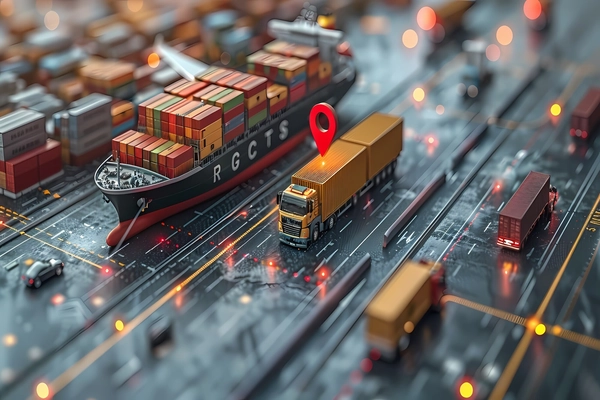
In the future, Blockchain will become a core component of the smart logistics ecosystem, where all operations are interconnected, analyzed, and automated. This represents a significant step forward, enabling the logistics industry to achieve faster, more efficient, and sustainable growth.
Blockchain in logistics not only addresses the industry’s core challenges but also opens new pathways for digital transformation. With its capabilities for automation, data transparency, and reduced operational costs, Blockchain becomes a key technology that enhances business competitiveness. Looking ahead, the integration of Blockchain, IoT, and AI will establish a smart, sustainable, and highly efficient logistics ecosystem like never before.
