


IoT sensors are becoming a crucial foundation in the era of smart connectivity, enabling devices to collect and transmit data in real time. Thanks to rapid technological advancements, IoT sensors are increasingly applied in smart homes, industry, healthcare, agriculture, and many other fields. This article will help you understand the concept, benefits, common types of sensors, and future development trends.
What are IoT Sensors?
In the Internet of Things (IoT) era, IoT sensors act as the “senses” of smart devices, allowing them to perceive their surrounding environment and continuously transmit data to processing systems. Unlike traditional sensors, these devices are equipped with network connectivity, enabling raw data to be transformed into valuable information for monitoring, analysis, and automation.
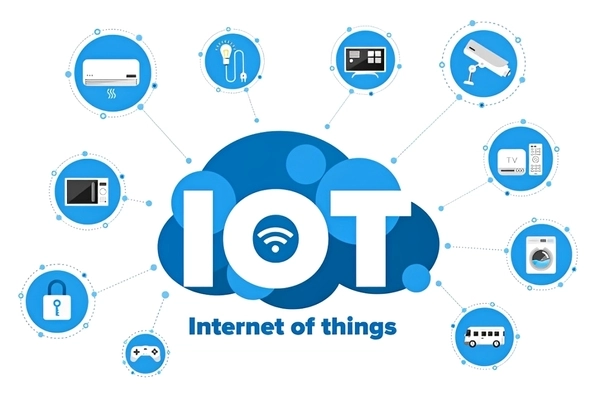
To fully understand the potential that IoT offers, we need to explore the different types of IoT sensors, how they operate, and how they are applied in both daily life and industrial production.
Benefits of IoT Sensor Technology
IoT sensors provide significant practical value through their ability to continuously and automatically collect data. With intelligent connectivity, they help people monitor environments, operate devices efficiently, and make more accurate decisions. The following key benefits illustrate why IoT sensors have become an indispensable component in both everyday life and industrial operations.
Real-time Data Monitoring
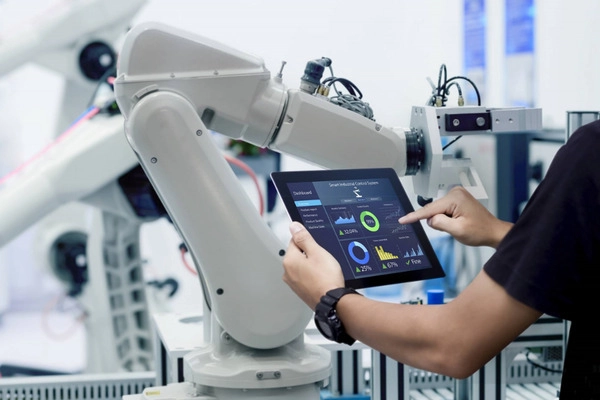
IoT sensors provide data at the exact moment events occur, allowing users to quickly detect any changes in the environment. This is especially important in areas such as cold chains, healthcare, warehouses, or manufacturing, where even minor deviations can lead to significant risks.
Automation of Multiple Processes
When connected to a system, devices can operate automatically based on the data collected. For example, lights turn on when motion is detected, air conditioners adjust according to temperature, and irrigation systems activate when soil moisture is low. This reduces manual work and makes operations more efficient.
Cost Savings and Improved Operational Efficiency
Continuous monitoring helps detect issues early, reducing repair costs and preventing operational downtime. IoT sensors also optimize energy and resource usage, enabling businesses to save substantial costs in the long term.
Enhanced Safety
Sensors can detect toxic gas leaks, abnormal high temperatures, sudden pressure changes, or unusual movements. These alerts help prevent accidents and protect people and assets across various environments.
Support for More Accurate Decision-Making
With clear and continuous data, analyzing information and selecting the right solutions becomes easier. This allows businesses to optimize processes, improve product quality, and enhance overall performance.
Common Types of IoT Sensors
In an IoT system, each type of sensor performs a specific function, serving particular applications. Understanding these sensor types helps businesses and developers choose the most suitable solutions. The following are some of the most widely used sensors today:
Temperature Sensors
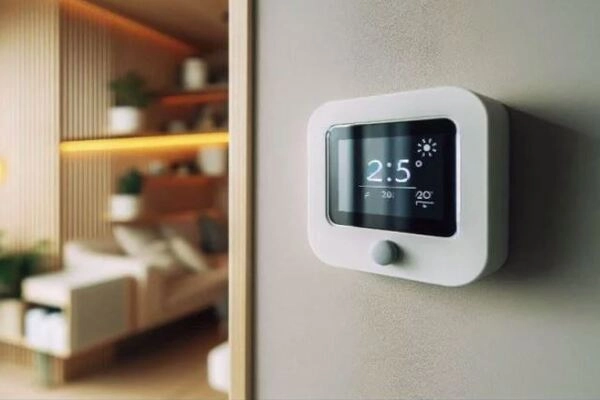
IoT temperature sensors are designed to measure and monitor changes in temperature within an environment or device. They continuously transmit data to the system to ensure that temperature conditions remain within safe limits. Industries such as cold chains, smart agriculture, healthcare, and manufacturing all rely on these sensors to monitor temperature accurately in real time.
Motion Sensors
IoT motion sensors can detect the movement of people, objects, or vehicles using infrared, ultrasonic waves, or radar. They are commonly used in security systems, smart homes, people-counting applications, or intrusion alerts. With IoT connectivity, alert data can be sent instantly to mobile devices or control centers.
Proximity Sensors
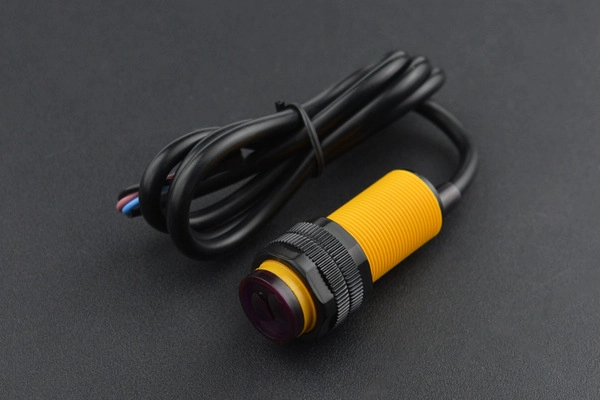
These sensors detect the presence or distance of an object without direct contact. In IoT applications, proximity sensors are used in production lines, industrial robots, autonomous vehicles, and access control gates. They operate based on electromagnetic, light, or ultrasonic sensing, providing accurate and reliable object detection.
Humidity and Pressure Sensors
IoT humidity and pressure sensors help monitor environmental conditions in factories, farms, warehouses, or HVAC systems. They provide continuous data to optimize air quality, ensure product quality, and reduce risks. In agriculture, soil moisture sensors are particularly important for enabling automated irrigation and minimizing water waste.
Light and Infrared Sensors
Light sensors measure illumination levels, allowing smart homes to automatically adjust lighting and optimize energy usage. Infrared sensors are commonly used for thermal measurement, object detection, or remote control operations. When integrated with IoT, these sensors ensure continuous and flexible monitoring across various applications.
Applications of IoT Sensors in Daily Life and Industry
IoT sensors bring numerous practical benefits across various fields, which can be summarized in the table below:
| Field | IoT Sensor Applications | Key Benefits |
|---|---|---|
| Smart Homes | Automatic lighting control, security monitoring, climate control, energy optimization | Convenience, energy savings, enhanced security |
| Healthcare | Remote health monitoring, heart rate, respiration, body temperature measurement | Continuous patient monitoring, reduced health risks, support for remote care |
| Industry | Predictive maintenance, machine monitoring, production line automation | Early fault detection, reduced downtime, increased operational efficiency |
| Smart Agriculture | Monitoring soil moisture, nutrients, climate, water quality | Optimized yield, reduced waste, improved crop quality |
| Transportation | Traffic signal management, congestion monitoring, bus tracking | Improved traffic flow, reduced congestion, enhanced safety |
| Logistics | Monitoring location, temperature, vibration, cargo condition | Ensures product quality, minimizes losses during transportation |
Future Development of IoT Sensors
In the future, IoT sensors will continue to advance rapidly thanks to integration with artificial intelligence, 5G networks, and edge computing. Sensors are expected to become smaller, consume less energy, and deliver even more precise measurements. The number of IoT devices is projected to reach tens of billions in the coming years, driving an exponential increase in the demand for sensors.
Next-generation smart sensors will be able to analyze data, generate alerts, and operate directly on the device without sending data to a central server. This reduces latency, enhances security, and saves bandwidth.
Alongside trends such as smart cities, smart homes, and smart manufacturing, IoT sensors are set to become a key foundation across all sectors of the digital economy. They are not merely data collection tools but also play a crucial role in shaping how humans interact with technology in the future.
IoT sensors are more than simple measuring devices—they are the “heart” of the modern IoT ecosystem, enabling intelligent operation and efficient automation. With the integration of AI, 5G, and edge computing, IoT sensors will continue to advance rapidly, opening up new applications in both daily life and industrial production. They are undoubtedly a core technology that will define the future of the digital economy.
