



In the era of Industry 4.0, IoT programming has become a key trend, connecting smart devices and turning data into practical value. Learning IoT programming not only opens up attractive career opportunities but also helps you develop logical thinking, problem-solving skills, and creativity. From smart homes to monitoring systems, IoT provides intelligent solutions across various fields.
What is IoT Programming?
IoT programming is the process of developing software and hardware to connect smart devices with each other and with network systems to collect, process, and transmit data. IoT, short for the “Internet of Things,” enables devices such as sensors, smart lights, temperature meters, or robots to automatically connect, exchange data, and perform actions according to pre-programmed instructions.
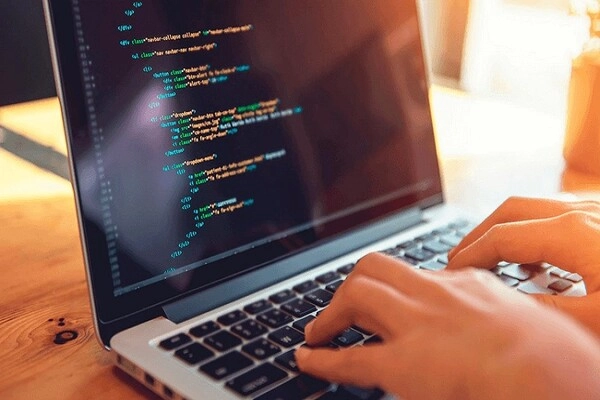
IoT programming not only requires knowledge of software development but also an understanding of electronics, sensors, and network communication. This combination allows IoT devices to operate effectively in applications such as smart homes, smart cities, industrial automation, and many other fields.
Benefits of Learning IoT Programming
Learning IoT programming offers numerous benefits, not only for advancing your career but also for enhancing your ability to apply technology in everyday life.
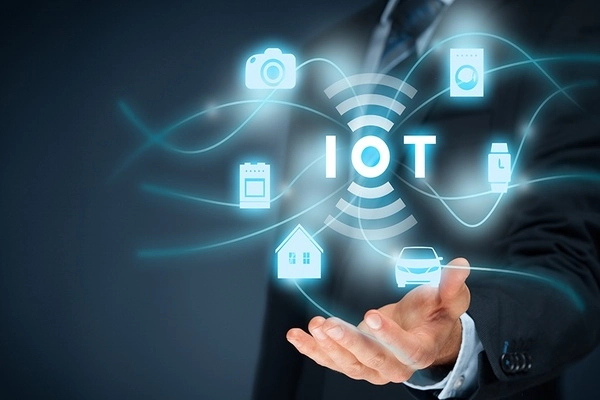
- Learning IoT programming helps you gain a solid understanding of smart devices, data transmission, and the analysis and processing of information from the real environment.
- These skills are essential in the digital era and support the practical application of technology in everyday life.
- It opens up career opportunities in various fields, including industrial automation, smart homes, healthcare, smart agriculture, and intelligent transportation.
- Studying IoT also helps develop logical thinking, problem-solving skills, and the ability to apply technology effectively.
- Additionally, it enhances creativity and innovation, allowing you to create projects such as smart homes, remote monitoring systems, and health-tracking devices.
- IoT knowledge enables you to understand data, process information, and integrate modern technological systems.
- Mastering IoT programming serves as a stepping stone to emerging technology trends like AIoT, Smart Cities, and Industry 4.0.
Career Opportunities and Salary for IoT Programmers
The demand for IoT programmers has been rising in recent years, especially in major cities and technology enterprises. Common positions include IoT hardware engineers, IoT software engineers, IoT application developers, IoT data analysts, and IoT project managers.

The salary of IoT programmers is also very attractive. In Vietnam, the starting salary for IoT programmers ranges from 10–15 million VND per month, while those with experience and advanced skills can earn 40–60 million VND per month or even higher when working for international companies.
In addition, IoT programmers have opportunities to work freelance, participate in startup projects, or develop their own products. This is a field with long-term growth potential that also enhances professional value and practical experience.
Skills Needed to Become an IoT Programmer
To become a successful IoT programmer, you need both foundational knowledge and advanced skills. First and foremost, a solid grasp of programming is essential, especially languages such as Python, C, C++, or JavaScript.
Additionally, you must understand electronics, sensors, microcontrollers, and how IoT devices communicate via protocols like MQTT, HTTP, and CoAP. Skills in data analysis, signal processing, and database management are also crucial for operating IoT systems effectively. Furthermore, a good IoT programmer needs creative thinking, practical problem-solving abilities, and teamwork skills to implement projects efficiently and professionally.
IoT Learning Path
To learn IoT programming effectively, you should build a clear learning roadmap that combines theory and hands-on practice. The IoT learning path is often divided into specialized tracks, depending on your interests and career direction.

Learning to Become an IoT Hardware Engineer
If you want to focus on hardware, you need to study electronic circuits, sensors, microcontrollers, Arduino, Raspberry Pi, and other IoT devices. Hands-on practice in assembling, setting up, and programming these devices will help you fully understand how the system operates. You also need to learn how to connect hardware with software, as well as how to collect and transmit data to servers or applications.
Learning to Become an IoT Software Engineer
For the software track, you should focus on application programming, network protocols, data processing, IoT security, and cloud computing. Mastering programming languages, understanding how APIs operate, and working with IoT platforms like AWS IoT, Azure IoT, or Google Cloud IoT are essential. Additionally, you need to learn how to deploy software on embedded devices, optimize performance, and ensure the stability of IoT systems.
Where Should You Learn IoT Programming?
Today, there are many options for learning IoT programming, ranging from universities and specialized training centers to online courses. Universities offering programs in Information Technology, Electronics and Telecommunications Engineering, or Computer Science often include courses related to IoT.
In addition, specialized training centers for programming and IoT provide hands-on courses that help students get familiar with real-world projects. Online platforms such as Coursera, Udemy, edX, or courses offered by IoT device manufacturers are also excellent options, especially if you want to learn at your own pace and schedule.
Can You Learn IoT Programming on Your Own?
Absolutely. Self-learning IoT programming is possible, but it requires patience, discipline, and a clear learning roadmap. You can start with simple projects using Arduino or Raspberry Pi, master basic programming languages, and practice connecting and communicating between devices and applications. The Internet provides countless resources, tutorial videos, and forums to help you progress step by step.

However, to become a professional IoT programmer, combining self-learning with hands-on practice on real projects or participating in specialized courses will help you strengthen your skills, deepen your knowledge, and effectively master IoT applications.
IoT programming is the key to unlocking the world of connected smart technology, from smart homes to Industry 4.0. By acquiring knowledge, developing skills, and practicing on real projects, you can become a professional IoT programmer, seize attractive career opportunities, and contribute to creating innovative and efficient solutions in the digital era.
